Last One

You qualify for FREE shipping!
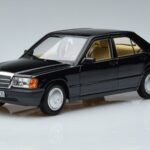
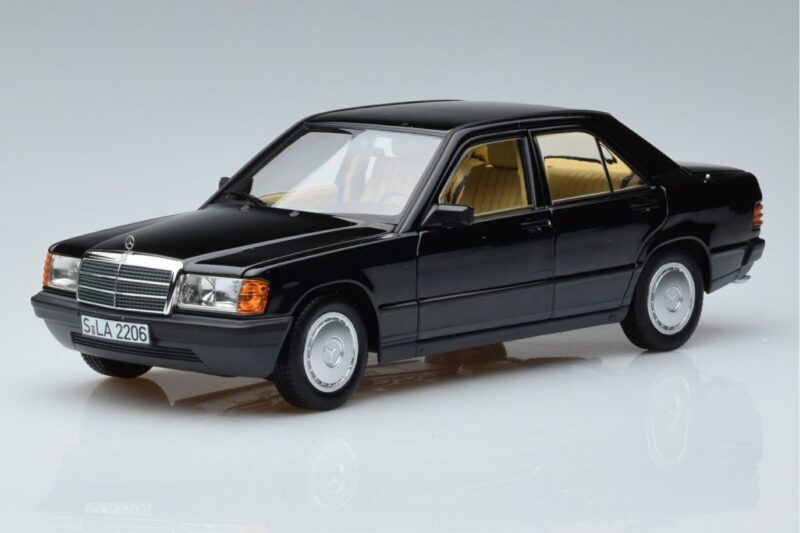
For collectors who want a cornerstone 1980s German sedan in a larger, display-dominant format, the Mercedes 190E 1:18 Norev release hits a sweet spot: recognizable W201 proportions, classic Mercedes presence, and the practical appeal of diecast for everyday handling. The 190E—often called the “Baby Benz”—is one of those cars that looks better the longer you study it, and Norev’s Limited Edition approach suits the model’s crisp, architectural lines and understated premium vibe.
The W201-generation 190E is a turning-point Mercedes. In the early 1980s it brought Stuttgart’s engineering mindset into a more compact sedan, without losing the brand’s signature sense of solidity. That combination—tight, squared-off design, confident stance, and an upscale-but-not-flashy personality—is exactly why the 190E sits so comfortably in collections that mix icons and attainable classics. It’s also a perfect “context car” on a shelf: place it next to a 1990s performance sedan or a modern AMG and you can see the lineage of Mercedes design restraint and proportion control.
At 1:18 scale, those W201 cues become the whole point. The upright greenhouse, the sharp beltline, and the clean, almost geometric surfacing are the details collectors want to read from across a room. The 190E isn’t a supercar that relies on drama—its collector appeal is authenticity. If you like street cars that actually look like they belong in a period-correct parking lot or diorama, the 1984 Mercedes 190E model car is one of the most satisfying “real world” Mercedes subjects you can add.
Norev has long been a go-to name for European street cars, and that matters here because the 190E rewards precision more than exaggeration. A good W201 replica needs clean shut lines, consistent panel transitions, and a stance that looks planted rather than toy-like. With diecast construction, you get that familiar heft in hand—something many collectors still prefer for 1:18 because it feels substantial when you pick it up, reposition it in a display case, or rotate it under light to check paint depth and surface consistency.
“Limited Edition” on a Norev street model typically signals extra collector intention: a more deliberate presentation and a sense that you’re buying a version meant for enthusiasts rather than a generic mass-market interpretation. What experienced collectors tend to notice first on a model like this is whether the body reads like a single, coherent volume—especially around the roofline, pillars, and trunk area. The W201 is unforgiving there; if the proportions are off, your eye catches it immediately. When it’s right, the car has that unmistakable Mercedes calm, even in miniature.
Diecast is also the practical choice if you like to enjoy your models instead of treating them like untouchable artifacts. Resin can deliver razor-sharp surfaces, but many collectors appreciate the durability and “pick it up and enjoy it” feel that diecast provides—particularly for a sedan that’s all about everyday realism.
A Mercedes 190E W201 in 1:18 scale works as a foundation piece. It can anchor an ’80s shelf with other period German cars, or it can serve as the calm counterpoint in an AMG-heavy display where everything else is aggressive and modern. The 190E’s boxier silhouette and upright posture also photograph well: it reads clearly from multiple angles, which makes it a great candidate for collectors who like documenting their displays or building simple garage dioramas.
Collectors often debate whether a “normal” sedan deserves 1:18 space compared with a supercar, but the W201 is one of the sedans that genuinely earns it. In smaller scales, the 190E can look like just another compact four-door. In 1:18, the design intent becomes obvious—especially the clean separation of surfaces and the disciplined shape language that defines Mercedes from this era.
Search behavior around this piece is usually straightforward and purchase-led: “Norev Mercedes 190E W201” for maker-specific buyers, “Mercedes 190E 1:18 Norev” for scale-first shoppers, and “1984 Mercedes 190E model car” for collectors building a year- or era-based display. The cross-shopping question tends to be less about whether to buy a 190E and more about which approach fits your collection: a durable diecast street model you can enjoy often, or a more delicate sealed resin piece focused on ultimate surface sharpness.
Norev’s positioning makes sense for the 190E because the real car’s appeal is balance—premium without being precious. If you collect Mercedes street cars rather than race-livery pieces, this is the kind of model that makes a shelf feel curated instead of random.
The best part about a 190E replica is that it doesn’t wear out its welcome. You’ll find yourself noticing different things as you live with it: how the upright windows give it a distinctly period-correct look, how the sedan proportions make it feel “complete” from every angle, and how the car’s restraint gives your flashier models room to breathe. If you’re building a serious Mercedes timeline—from classic sedans to modern AMGs—this Mercedes 190E 1:18 Norev Limited Edition is a natural bridge piece that adds realism and context without ever feeling like filler.