



Pick up a 1:18 diecast model and you’ll feel 800 to 1,200 grams of solid zinc alloy in your hand. Set it down, grab the resin version of the same car, and you’re holding roughly half that weight. Resin model cars and diecast models look strikingly similar in photos, yet the differences reshape how you collect, display, and interact with every piece on your shelf. We stock diecast and resin from over 40 producers at Models118, so we know how a Norev 1:18 feels different from a GT Spirit before we even look at the box.
This guide breaks it down feature by feature — detail, durability, cost, and collecting philosophy — so you can spend your budget with confidence. If you’re curious about composite and other materials beyond these two, our complete model car materials guide covers the full spectrum.
TL;DR: Diecast models use zinc alloy, weigh 800–1,200 g at 1:18, and feature opening doors and hoods for around €50–150. Resin model cars use polyurethane, weigh about half as much, deliver sharper body lines, and ship in limited runs of 500–3,000 pieces for €120–300 — but they stay sealed. Pick diecast for hands-on display; pick resin for detail-focused collecting.
Quick Comparison: Diecast vs Resin at a Glance
Within a market that GM Insights values at US$3.9 billion, diecast and resin stand apart across seven core characteristics. The table below captures the differences you’ll notice as soon as you unbox either type.
| Feature | Diecast | Resin |
|---|---|---|
| Base material | Zinc alloy (zamak) | Polyurethane resin |
| Weight (1:18) | 800–1,200 g | 300–500 g |
| Opening features | Doors, hood, trunk | Sealed — no moving parts |
| Body lines | Good | Sharper, crisper |
| Typical run size | 5,000–50,000+ | 500–3,000 |
| Price range (1:18) | €50–150 | €120–300 |
| Biggest long-term risk | Zinc pest (humidity >65%) | UV degradation (direct sunlight) |
That weight gap alone tells a story. Diecast puts gravity on your side — stable, heavy, satisfying. Resin trades that heft for surface precision. Both approaches serve real collecting needs, just different ones.
What Are Diecast Model Cars?
Diecast scale models sit at the center of a global market that ResearchAndMarkets projects will reach US$7 billion by 2030, growing at 5.3% annually. The name comes directly from the production method: molten zamak — a zinc-aluminium alloy whose name derives from the German Zink, Aluminium, Magnesium, Kupfer — gets injected under high pressure into steel dies.
Those steel dies survive hundreds of thousands of cycles, which is why diecast producers can run batches of 5,000 to 50,000 units or more. The rigid metal body supports hinged doors, spring-loaded hoods, and opening trunks that let you explore the engine bay and interior up close. Ever picked up a Norev 1:18 Mercedes? You immediately feel the heft of zinc alloy. It’s a fundamentally different interaction from lifting a resin piece of the same car.
Producers operating primarily in diecast include Norev (1:18 and 1:43, opening features, broad range of marques), Solido (1:18, opening parts, competitive pricing), and IXO Models (mainly 1:43, motorsport heritage). Minichamps also offers a diecast line with opening features at 1:18, though they produce resin models as well. For a deeper look at who makes what, see our ranking of the top diecast brands by quality and price.
What Are Resin Model Cars?
Where diecast relies on industrial-scale tooling, resin model cars begin with silicone moulds that capture geometry steel dies can’t reproduce under injection pressure. Liquid polyurethane resin is poured by gravity into those moulds — a slower process that picks up finer surface detail. Silicone moulds wear out after just 15 to 30 casting cycles, according to mould lifespan data from GD-Prototyping, and that physical limit is exactly what makes resin production inherently small-batch.
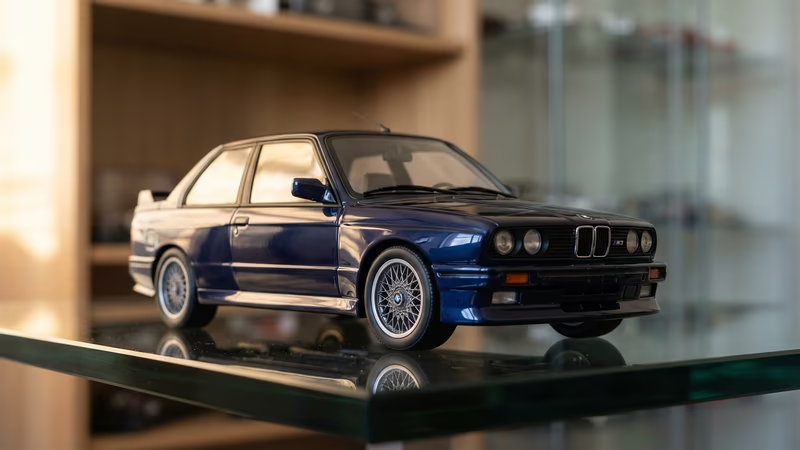
GT Spirit and OttOmobile typically release runs of 500 to 2,000 pieces — editions of 999 or 1,500 are common. BBR, an Italian specialist, pushes exclusivity further with runs as small as 40 to 296 per variant. Every piece is finished by hand, checked individually, and shipped sealed with no opening parts.
That sealed body isn’t a limitation. Collectors who choose resin do so specifically because a sealed shell eliminates hinge lines, preserving sharper panel contours and cleaner proportions. Other notable resin producers include Ignition Model (Japanese, 1:18, sealed, highly limited) and the resin line from Minichamps, which produces sealed 1:18 and 1:43 pieces alongside their diecast range. We’ve found that customers encountering resin for the first time are often surprised by the absence of opening parts. Once they understand the trade-off, many keep coming back for more.
Detail and Finish — How They Compare
Silicone moulds used for resin capture finer panel-gap detail than steel dies used for diecast. According to mould lifespan data from GD-Prototyping, the trade-off between silicone and steel tooling shapes how each material renders surface geometry — and the difference is clearly visible at 1:18 scale, where resin displays tighter shut lines and smoother compound curves. Does that gap always matter? It depends on how closely you study your models.
Paint and Surface Finish
Resin pieces are finished by hand, one unit at a time. That manual process offers tighter quality control across large, flat body panels — roofs, hoods, fenders — where automated spray painting on a diecast production line occasionally introduces minor inconsistencies across a 10,000-unit run. You’ll notice the difference most on metallic and pearlescent colors: resin tends to hold a smoother, more even coat over broad curves.
Interior and Engine Detail
Diecast gives you direct access. Open the door, tilt the model, peer into the cabin or under the hood. Engine wiring, seat stitching, dashboard gauges — all explorable from multiple angles. Resin shows you the interior only through the glass, yet the geometry behind that glass can be sharper because the casting process isn’t constrained by mechanical clearances that hinges and springs demand.
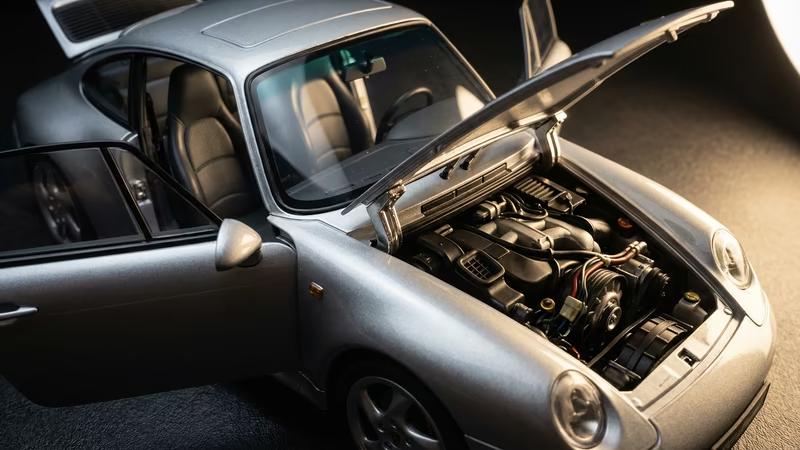
Which approach wins? Neither, honestly. If exploring a model physically is part of the appeal, diecast delivers. If visual fidelity at arm’s length matters more, resin pulls ahead.
Durability, Weight, and Care
A 1:18 diecast model weighs roughly twice as much as its resin counterpart. That heft makes diecast more stable on a shelf and more resistant to accidental bumps, while resin calls for gentler handling. Both materials last decades under the right conditions, though each faces a different long-term threat.
Handling and Weight
Diecast at 800–1,200 g stays planted. It won’t slide when you brush past a display shelf. Resin at 300–500 g feels surprisingly light — pleasant to admire, but it rewards a careful hand when repositioning.
Long-Term Risks
So how long do these materials actually last? Both can survive decades, but each has a vulnerability. Resin degrades under UV exposure: direct sunlight yellows the finish and makes the material brittle over time. Temperature swings above 50 degrees Celsius can soften polyurethane, according to ColePalmer’s UV properties research. Keep resin behind glass, away from windows.
Older diecast models — mainly those produced before the 1960s — can develop zinc pest, a corrosive reaction triggered when relative humidity stays above 65% for extended periods, as documented by Hearns Hobbies. Modern zamak alloys are far purer, making zinc pest unlikely in anything produced in recent decades. Still, maintaining 45–55% relative humidity protects both materials and is sensible practice for any serious display. Our care and display guide walks through the full setup.
Price and Value
Why pay more for what looks like the same car in the same scale? At 1:18, diecast models from established producers typically cost between €50 and €150, while resin ranges from €120 to €300 — prices sourced from our own catalog at Models118. That gap doesn’t reflect a superior material on the resin side. It reflects economics.
Why Resin Costs More
Silicone moulds are cheaper to create than steel dies, but they wear out after 15–30 pours. Spread that tooling cost — plus hand-finishing each unit, individual quality inspection, and smaller packaging runs — across the production volumes shown in our comparison table, and per-unit cost climbs quickly. A diecast producer amortises a steel die across tens of thousands of units. Scale economies explain the price difference, not inherent material value.
Value Retention
Limited-run resin editions often appreciate once the producer sells through. A GT Spirit Porsche 911 Turbo that retailed around €170 can trade for €250–350 on the secondary market after the run sells out. Scarcity and collector demand drive that appreciation — something we see regularly with discontinued OttOmobile releases too. Is the premium always justified? Not automatically, but the pattern is consistent for sought-after subjects.
Diecast models hold steadier value on the secondary market: less dramatic upside, but also fewer wild swings. Collectors who treat models partly as investments tend to lean toward resin; those building a broad core collection generally find better per-euro value in diecast. For value-focused diecast recommendations, check our best diecast value picks.
Which Should You Choose?
Collectors and hobbyists account for over 65% of total demand in the diecast scale model market, according to Business Research Insights. That’s a large, diverse audience with no single “right” material. How do you sort it out?
- Budget collector building a first serious shelf — diecast. Wider selection, €50–150 per piece, opening features to explore.
- Display purist who values gallery-level presentation — resin. Sharper body lines, limited-edition cachet, sealed-case aesthetics.
- Interactive collector who enjoys opening doors, lifting hoods, handling models — diecast. Metal weight, hinges, tactile satisfaction.
- Limited-edition hunter chasing exclusivity and long-term appreciation — resin. Runs of 500–3,000 pieces, secondary-market upside.
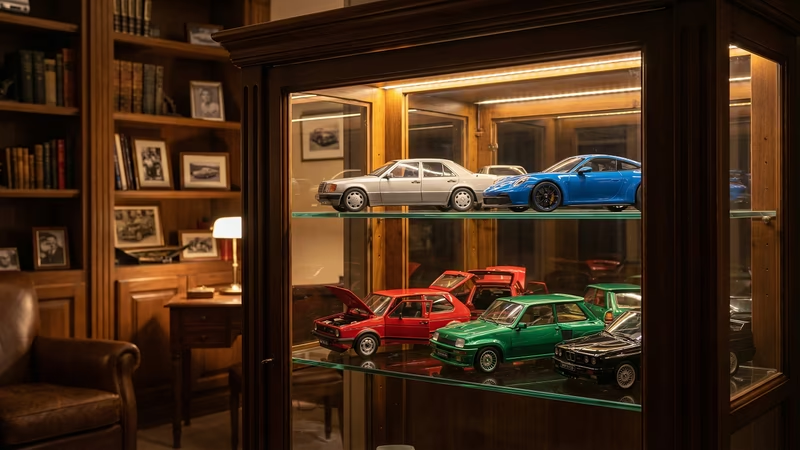
- Mixed collector — both. Diecast for the core collection and everyday interaction; resin for the centerpiece models you want people to notice first.
The most common path we see at Models118: a collector starts with five or six Norevs, then spots a GT Spirit 911 Turbo that stops them in their tracks — and suddenly resin has a permanent place on the shelf. Most experienced collectors don’t choose one forever. They end up appreciating both for different reasons.
Frequently Asked Questions
What is the difference between diecast and resin model cars?
Diecast models are made from zamak zinc alloy — heavy (800–1,200 g at 1:18), with opening doors, hoods, and trunks, produced in runs of 5,000 to 50,000+ units. Resin model cars use polyurethane — lighter (300–500 g), sealed with no moving parts, and produced in limited runs of 500 to 3,000 pieces. The core trade-off is interaction versus surface precision.
Why are resin model cars more expensive?
Smaller production runs drive the cost up. A silicone mould wears out after 15–30 pours, so resin producers spread tooling and hand-finishing costs across just 500–3,000 units. At 1:18, that means €120–300 for resin versus €50–150 for diecast. The higher price reflects production economics, not a superior raw material.
Can you open doors on resin model cars?
No. Resin models are sealed — they have no opening doors, hoods, or trunks. This isn’t a defect. A sealed body eliminates the panel gaps and hinge lines that opening features require, which is why resin achieves sharper body contours and tighter proportions than diecast of the same car.
Are resin models more fragile than diecast?
Resin is more sensitive to UV light and temperature swings above 50 degrees Celsius, which can yellow or soften the material over time. Older diecast models face zinc pest if stored above 65% relative humidity. In everyday handling, both materials hold up well. For long-term care recommendations, see our guide to displaying and protecting scale models.
The Bottom Line
Diecast delivers zinc-alloy weight, opening features, and runs large enough to keep prices between €50 and €150 at 1:18. Resin offers sealed precision, limited-edition exclusivity in batches of 500–3,000, and the sharpest body lines available — for €120–300. Neither material is objectively better. They serve different collecting instincts, and many serious collectors keep both on the same shelf.
Ready to see the options? Browse our diecast collection or explore resin models. And for a broader look at composite, plastic, and everything in between, visit our complete model car materials guide.