Last One

We'll notify you once when this item is available. No spam.
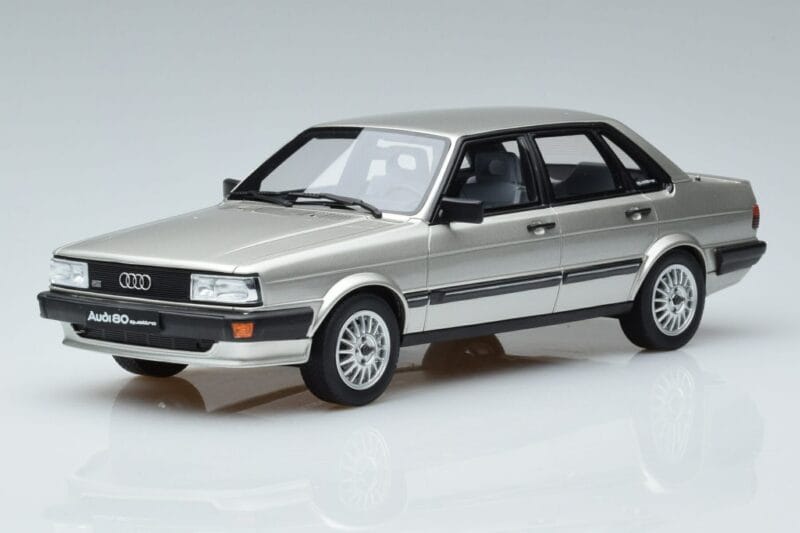
Collectors seeking to document how Audi's quattro all-wheel-drive transformed from rally-winning technology to mainstream feature find Otto's 1:18 Audi 80 B2 Quattro captures the 1983 sedan that made AWD accessible beyond competition homologation specials. This resin replica preserves the B2-generation 80 that brought quattro capability to practical four-door sedan format, demonstrating how Audi leveraged rally success into production vehicle differentiation. The Audi 80 Quattro 1:18 model represents Otto's focus on accessible resin replicas of everyday classics that shaped automotive culture through technological innovation rather than exotic performance.
Otto's manufacturing philosophy targets the middle ground between mass-market diecast producers like Bburago or Maisto and premium resin specialists like BBR or Make Up—offering closed resin replicas without opening features at pricing that makes building comprehensive collections practical. This Audi 80 B2 Quattro demonstrates Otto's catalog emphasis on vehicles that represent cultural significance and technological innovation rather than obvious collectibility through racing heritage or supercar status. The 1983 80 Quattro brought Audi's rally-proven all-wheel-drive system to mainstream sedan buyers, creating practical differentiation that would define Audi's performance identity for decades. Otto's resin construction captures the B2-generation 80's conservative early-1980s design language—upright proportions, simple body surfacing, and understated details that characterized German sedan aesthetics before aerodynamic optimization became paramount. At 1:18 scale, the Audi 80 B2's compact dimensions translate to approximately 9 inches in model form, providing sufficient presence to appreciate period styling while maintaining practical display compatibility with Otto's broader 1980s automotive catalog. The closed resin format without opening elements keeps pricing accessible while resin material enables sharper panel gaps and trim details than diecast alternatives from manufacturers focused on toy-grade markets. Collectors building 1980s Audi narratives often pair Otto's B2 80 Quattro with their Sport Quattro rally homologation special, 200 Quattro sedan, or even Ur-Quattro coupe to document how Audi's AWD technology spread from motorsport to mainstream production.
The Audi 80 B2 Quattro's introduction in 1983 followed closely after Audi's revolutionary Quattro coupe demonstrated all-wheel-drive's competition advantage in international rallying from 1980 onward. Where the original Ur-Quattro served as homologation special enabling rally participation—expensive, turbocharged, built in limited numbers—the 80 Quattro brought AWD capability to practical sedan buyers willing to accept modest price premium for all-weather traction and improved handling balance. The B2-generation 80's quattro system utilized simpler naturally aspirated engines rather than the Ur-Quattro's turbocharged five-cylinder, making the technology more accessible while proving quattro's benefits extended beyond competition performance to everyday usability. This 1983 specification captures early quattro implementation using mechanical center differential and Torsen technology that would evolve significantly through subsequent decades as electronic controls enabled more sophisticated torque distribution. The B2 80 Quattro represents Audi's strategic decision to mainstream their rally-proven technology rather than keeping quattro exclusive to performance models—a choice that created lasting brand differentiation when competitors like BMW and Mercedes-Benz still relied primarily on rear-wheel-drive for their sedan lineups. For automotive historians, the 80 B2 Quattro demonstrates how motorsport technology transfers to production vehicles when manufacturers recognize commercial potential beyond competition homologation requirements.
The 1983 automotive landscape positioned the Audi 80 B2 Quattro against rear-drive competitors like the BMW E30 3 Series, Mercedes-Benz W201 190E, and various front-drive alternatives from Volkswagen and other European manufacturers. Audi's quattro system created differentiation that went beyond traditional performance metrics—while not necessarily faster in straight lines than rear-drive competitors, the 80 Quattro offered traction advantages in adverse weather and handling balance that front-drive and rear-drive layouts struggled to match. The B2 80's conservative styling represented typical German sedan design of the early 1980s before aerodynamic optimization became critical—upright greenhouse for interior space, simple surfacing without dramatic character lines, and functional design language prioritizing practicality over visual drama. The modest exterior badging identifying quattro models reflected Audi's understated marketing approach, with discreet quattro script and minimal visual differentiation from standard two-wheel-drive 80 models. This restraint contrasted with more obvious performance sedan modifications from period competitors, establishing Audi's sophisticated rather than aggressive performance identity. The 80 B2's compact sedan format also positioned it as practical everyday transportation enhanced by quattro capability, rather than dedicated performance vehicle requiring compromises in usability or comfort.
Otto's 1:18 Audi 80 B2 Quattro enables collectors to document quattro's early production history through affordable resin replica that captures the sedan making AWD technology mainstream. The 1983 model year represents quattro moving beyond rally homologation specials into practical sedan applications that would define Audi's identity—by the late 1980s, quattro spread across Audi's lineup from entry-level models through flagship sedans and coupes, creating comprehensive AWD capability unique among German premium manufacturers. Collecting the B2 80 Quattro alongside later quattro evolution—whether B4-generation 80 Sport from the 1990s, C4 Audi 100/200 Quattro, or contemporary RS models featuring electric torque vectoring—illustrates how Audi's all-wheel-drive technology evolved from mechanical simplicity to software-controlled sophistication over four decades. Otto's accessible resin pricing makes building comprehensive quattro heritage collections practical without premium-per-piece investment that ultra-limited manufacturers require. The 1:18 scale provides sufficient detail to appreciate period styling and quattro badging while maintaining display compatibility with other Otto models from 1980s automotive culture—whether Volkswagen Golf GTI hot hatches, BMW E30 M3 sport sedans, or Mercedes-Benz 190E 2.3-16 homologation specials that defined the era. For collectors focusing on technological innovation rather than obvious performance metrics, the Audi 80 B2 Quattro documents how rally-proven engineering became mainstream production reality, creating differentiation that positioned Audi uniquely among German premium manufacturers and established all-wheel-drive as core brand identity that persists through current electric performance models sharing quattro nomenclature despite electric rather than mechanical torque distribution.