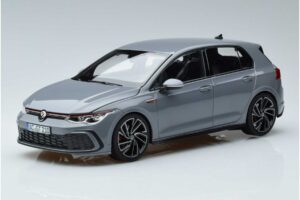
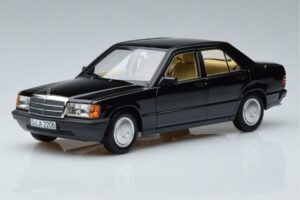
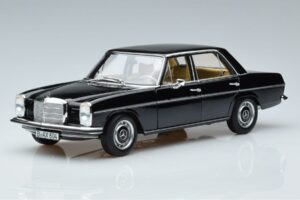
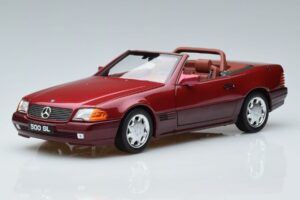
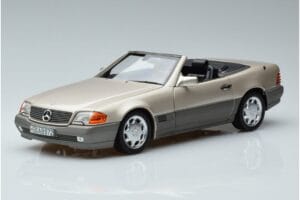
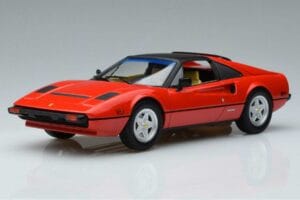
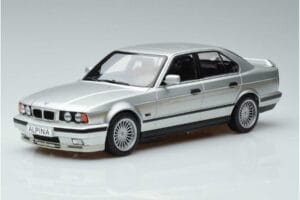
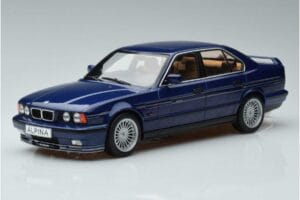
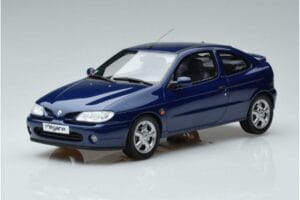
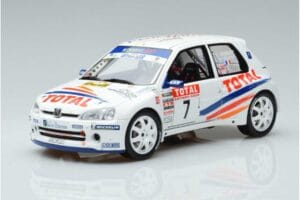
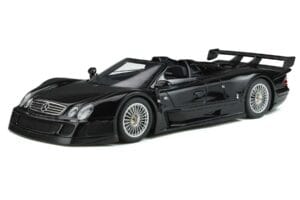
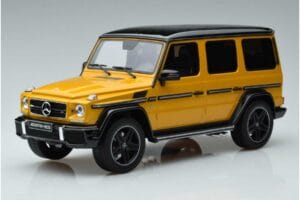
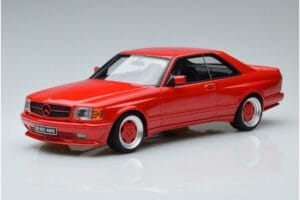
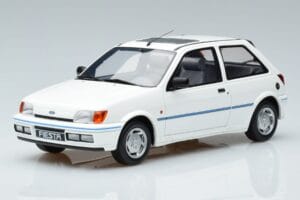
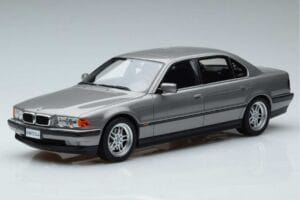
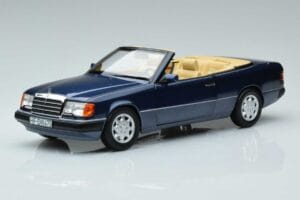
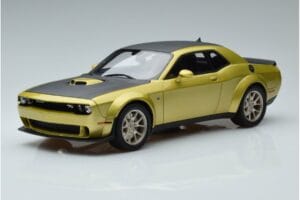
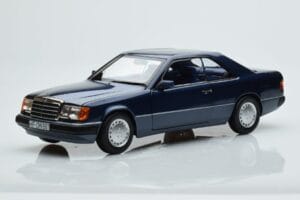
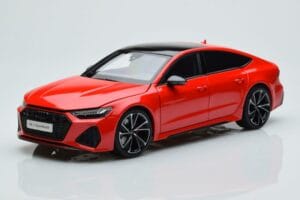
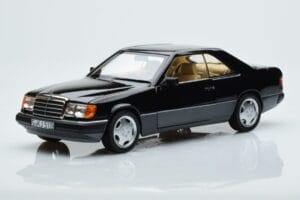
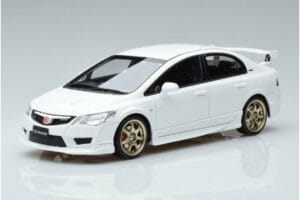
Browsing model cars by body type is one of the quickest ways to turn a random assortment into a collection that feels intentional. Collectors searching for diecast cars by body style usually already know the vibe they want on the shelf—low-slung coupes, practical sedans, open-top convertibles, long-roof wagons, or lifted SUVs and pickups. Body style also changes what details matter: a roadster lives or dies by its cabin, while a pickup needs a believable bed and stance. This category lets you explore those shapes across multiple scales and materials, comparing everyday diecast releases to sharper, limited-run resin pieces without losing the thread of your theme.
Model Cars by Body Type as a Collector's Roadmap
Body type is the silhouette you recognize from across the room, and in scale it becomes the fastest “sorting system” for your display. A coupe telegraphs speed even when it’s parked, a sedan reads like a real-world daily driver, and a wagon instantly gives you that practical, long-roof profile that enthusiasts love because it’s a little unexpected. Even within the same marque, switching body styles can change the whole personality of a car—think fastback versus notchback, targa versus coupe, short-bed versus crew cab. Browsing by body type helps you chase that personality first, then decide whether you want a specific brand, era, or spec.
Collectors also use body type to build themed shelves without getting locked into one manufacturer’s catalog. If you’re curating a “street scene” lineup, mixing a couple of coupes, a few sedans, and one standout convertible looks more natural than lining up ten supercars nose-to-tail. If you’re a motorsport fan, coupes dominate GT racing history, while prototypes and open-wheel cars (often grouped separately from body type) bring a totally different visual rhythm to a display. And for American collectors in particular, trucks and SUVs are their own language—half nostalgia, half utility, and all attitude—so having them alongside sports cars makes a collection feel like a real garage.
When you compare replicas within a body style, the same real-world design cues still apply, just scaled down. Coupes should have the right roof arc and pillar thickness, convertibles need a windshield frame that doesn’t look chunky, and SUVs should sit at a believable ride height without looking like they’re on stilts. This is where materials and production approach matter. Premium diecast makers often deliver satisfying opening doors and trunks, while resin specialists can capture razor-sharp shut lines and complex aero without worrying about moving parts. Browsing by body type makes those tradeoffs easier to spot because you’re comparing similar shapes side-by-side.
The Core Styles: Coupes, Sedans, Convertibles, Wagons & Hatchbacks
Most collections start with the familiar everyday shapes and then branch into the weird and wonderful variations—shooting brakes, lifted “Safari” builds, or homologation specials that blur the lines. If you’ve ever hunted for coupe sedan convertible diecast models to match your real-life dream garage, you already know why this page matters: the body style is the connective tissue. Within each body type you’ll see everything from factory-stock road cars to track-focused variants, and the same vehicle can feel completely different depending on whether it’s rendered in 1:64 for diorama density or 1:18 for up-close detail.
Coupes and GT cars: the classic collector silhouette
Coupes tend to be the gateway body type because they carry the strongest “sports car” message—long hoods, swept rooflines, and wide stances that look right under display lighting. This is the home territory for everything from American muscle (Mustang, Camaro, Challenger) to European icons like the Porsche 911 and modern mid-engine exotics. On a well-made coupe model, look for clean glass fit, accurate wheel offset (wheels tucked in too far is a common giveaway), and a stance that matches the real car’s attitude. In 1:18, premium diecast from makers like AUTOart or Kyosho can make coupes feel almost mechanical thanks to opening panels, while sealed resin coupes from brands such as GT Spirit or Looksmart often win on crisp surfacing and aggressive aero fidelity.
Sedans: daily-driver realism and four-door performance
Sedans are where a collection starts to feel like a real street, not just a poster wall. Luxury flagships, sports sedans, and police or taxi-themed builds all live here, and the details that matter are different than on a coupe. The “greenhouse” proportions—window size, B-pillar thickness, and the way the roof meets the rear deck—have to look right, because sedans are all about balance. Great sedan replicas also reward you with subtle things: correct trim finishes, properly scaled badging, and wheels that match factory options on everything from an S-Class cruiser to an M5-style bruiser. Collectors often use 1:43 for sedan lineups because it allows breadth (multiple generations on one shelf), while 1:18 sedans make strong centerpieces when you want opening doors and a full cabin view.
Convertibles, roadsters, and targas: interiors take center stage
Open-top models are collector catnip because the interior is always “on display,” and a good replica can show off seat textures, dash layout, and even the way a roll hoop or windshield surround is finished. Convertibles also highlight how different manufacturers interpret the same problem: some diecast models include a removable hardtop or a separate soft-top piece, while many resin models commit to either top-up or top-down for cleaner lines. Roadsters like a Miata or classic British-style two-seaters look especially convincing in smaller scales because the silhouette is so recognizable, but at 1:18 you can really appreciate accurate steering wheels, pedal boxes, and seat bolstering. If your collection leans toward sunshine cars—Corvette convertibles, targa-roof Porsches, Italian spiders—this is the body type that gives your display the most “air” and variety.
Wagons and hatchbacks: long-roof cool and hot-hatch energy
Wagons and hatchbacks are the enthusiast’s inside joke that became a serious collecting lane. The long roof (or the chunky hatch profile) adds practicality to performance, whether you’re thinking of a modern super wagon, a ’70s family hauler, or a rally-bred hatchback with flared arches. In scale, these body types demand good rear detailing—tailgate seams, rear glass shape, roof rails, and the depth of the cargo area—all of which can look toy-like if it’s simplified. Because wagons have so much glass, paint and trim execution matters, especially around window surrounds. Hatchbacks also look great in dioramas: they naturally belong in parking lots, city scenes, and weekend track-day setups, making them an easy bridge between “normal cars” and full-on motorsport replicas.
Trucks and SUVs: Modern Americana and Adventure Themes
For many US collectors, the most emotional body types aren’t exotic coupes—they’re pickups and SUVs, because they connect to real life. A lifted 4x4, a vintage work truck, or a modern performance SUV can hit the same nostalgia button as a classic muscle car, just in a different key. These models also pair perfectly with diorama culture: trailers, garage scenes, “barn find” setups, and overland builds with roof gear all feel natural. The best part about browsing trucks and SUVs by body type is seeing how different scales tell different stories—1:64 for an entire fleet, 1:18 for one hero rig with the right tires and stance.
SUVs and off-roaders: stance, tires, and trail-ready details
SUVs, crossovers, and true off-roaders live or die on proportions. A good replica needs the right ride height, wheelbase-to-overhang ratio, and tire profile, because an SUV that sits too low looks like a wagon and one that sits too high looks like a caricature. Collectors often pay attention to details you might overlook on a sports car: roof racks, skid plates, tow hooks, and the way fender cladding is finished. Icons like a Wrangler-style 4x4 or a classic Land Cruiser silhouette are instantly recognizable, which is why even smaller scales can feel satisfying. In larger scales, diecast SUVs with opening doors let you see interior packaging—the upright seating, the cargo area—while resin versions often nail modern lighting signatures and complex body surfacing.
Pickup trucks: beds, toolboxes, and working-vehicle character
Pickup models bring a different kind of realism to a display because they’re supposed to look used, capable, and a little tough. Even pristine, factory-stock trucks have visual cues that need to land: bed depth, tailgate proportions, mirror size, and the way wheel arches wrap around tires. Specialty versions—dually rear fenders, step-sides, off-road packages, or lowered street builds—are especially fun in scale because they show how a body type can carry completely different identities. Collectors often pair US-focused truck brands like Greenlight or Auto World with more general diecast producers such as Maisto or Jada, while premium makers sometimes tackle iconic pickups as “hero” releases. If you like building a realistic garage scene, nothing grounds the shelf like a truck next to a couple of coupes.
Vans and utility bodies: from surf culture to service fleets
Vans, panel trucks, and utility-bodied vehicles are underrated collection glue. They make dioramas feel believable—service vehicles, delivery vans, airport shuttles, or classic surf vans instantly create context around the “fun” cars. These body types also highlight paint and graphic accuracy, because liveries and sponsor decals are often the whole point. In smaller scales, vans are great space fillers that add height and variety to a display, while larger scales reward you with realistic sliding-door seams, window placement, and interior layouts. Whether you’re into motorsport support vehicles or pure street nostalgia, utility body types help tell the story of how cars actually live in the world.
Picking the Right Scale and Maker for the Body Type
Scale choice changes how a body type feels. In 1:64, the silhouette is everything, which is why coupes, pickups, and iconic off-roaders read so well even with simplified details—perfect for building a full parking lot or a “cars and coffee” scene. Step up to 1:43 and you get a sweet spot for variety: sedans, wagons, and whole model-generation timelines become practical to display without needing a dedicated room. At 1:18, body types become experiences. Doors and hoods are big enough to open cleanly, cabins are worth studying, and a long-roof wagon or full-size truck has real presence. Many collectors mix scales on purpose, using smaller sizes for breadth and reserving 1:18 for the body styles they want as showpieces.
Material and construction matter just as much as scale, especially when you care about openings. Diecast models often deliver functional doors, trunks, and hoods that add life to sedans (four doors to display) and trucks (tailgates and cargo areas), while resin models tend to be sealed but can capture sharper edges, thinner panel gaps, and more precise aero pieces on modern coupes. Convertibles are a great example of the tradeoff: an opening-feature diecast can show off the interior, but a well-executed resin top-down model can look incredibly clean with fewer compromises around roof mechanisms. It’s less about “which is better” and more about which approach fits the body type and the way you like to display.
The maker landscape also influences what you’ll see in each body type. Hot Wheels and Matchbox make 1:64 body-style collecting addictive because you can build whole themes quickly, from muscle coupes to lifted trucks. Mid-tier brands like Norev, Solido, and Minichamps often cover the bread-and-butter shapes—sedans, hatchbacks, and modern performance cars—with strong proportions and good value. When you want premium diecast engineering and openings, names like AUTOart and Kyosho are the benchmarks many collectors compare against. For sealed resin, Spark is a go-to in motorsport-heavy body types, while BBR, Looksmart, MR Collection, and similar boutique makers focus on high-end exotics where the surfacing and paint finish are the headline. Knowing these tendencies helps you browse smarter because “best” depends on whether you’re shopping for a daily-driver sedan, a track coupe, or a showpiece convertible.
However you collect, browsing by body type keeps you honest about your theme. It’s easy to fall into random purchases when every new release looks tempting, but a body-style filter forces a decision: do you want another coupe, or is it time to add a wagon to change the silhouette on the shelf? Do you want a truck to anchor a garage diorama, or a convertible to bring some visual lightness to the lineup? Use this category as a jumping-off point, then narrow by brand, scale, or material once you’ve found the shape that speaks to you. That’s how collections stop feeling like shopping and start looking like curation.