{"ajaxurl":"https:\/\/models118.da.smarthost.pl\/wp-admin\/admin-ajax.php","nonce":"40459cb95a","homeUrl":"https:\/\/models118.da.smarthost.pl\/","shopUrl":"https:\/\/models118.da.smarthost.pl\/shop\/","collectionLimit":12,"i18n":{"addedToCart":"Added to cart","addedToWishlist":"Added to wishlist","removedFromWishlist":"Removed from wishlist","error":"Something went wrong","loading":"Loading...","outOfStock":"Out of stock","viewCart":"View cart","addedToCollection":"Added to Collection","reserved":"Reserved!","invalidEmail":"Please enter a valid email address","connectionError":"Connection error. Please try again."},"stats":{"models":552,"brands":31,"makers":11,"collectors":10000}}
Diecast Model Cars - Metal Replicas for Collectors
More about our models
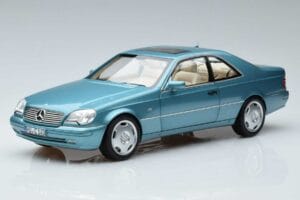
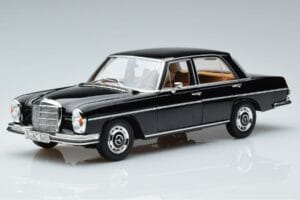
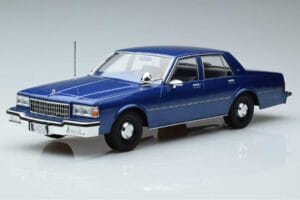
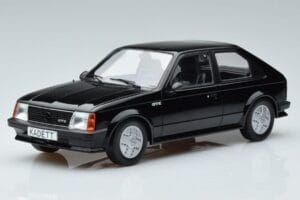
Diecast model cars bring real metal weight, crisp paint, and authentic badging to your display—often with opening doors, hoods, and trunks at larger scales. Browse collector diecast cars across eras, brands, and budgets, and compare diecast vs resin to find the right fit for your shelves.
79 Diecast models to choose from — premium collector pieces
What is a diecast model car?
A diecast model is made by injecting molten metal alloy (zinc, aluminum) into a precision mold under high pressure. The result: a heavy, durable body with realistic metal feel. Our 79 diecast models feature rubber tires, quality paint, and many include opening doors, hood, and trunk.
How to care for diecast model cars?
Clean monthly with a soft, dry microfiber cloth. For dust in crevices, use a small soft-bristle brush or compressed air. Never use water or chemicals on painted surfaces. Store in UV-protected display cases away from direct sunlight — UV causes paint fading. Keep in stable temperature.
Diecast vs resin model cars — what is the difference?
Diecast: metal body, heavier, durable, often with opening parts. Best for hands-on collectors. Resin: hand-poured polymer, lighter, finer details, limited production of 500-3,000 pieces. Best for display-focused collectors seeking exclusivity. Diecast for beginners; resin for curated collections.
What scales are available for Diecast models?
Our Diecast models are available in 1:18. The most popular collector scale is 1:18 — the best balance of detail and display size.
Which manufacturers make the best diecast models?
Top diecast manufacturers: AUTOart (fully opening, detailed engines), Minichamps (German precision), Norev (best value with opening parts), Solido (budget-friendly quality). For mid-range: Almost Real delivers premium paint and photo-etched details.
What makes diecast the most popular material for model cars?
Metal weight, durability, and tactile feel make diecast the collectors' favorite. The molding process creates accurate body shapes at scale. Diecast models withstand handling — opening doors, checking engines — without damage. Available at every tier from budget-friendly Solido to premium AUTOart.
How are model cars shipped?
5-layer packing: original box, bubble wrap, foam inserts, reinforced carton, FRAGILE markings. All shipments tracked and insured. Damage rate under 0.1%.
Do you offer returns?
14-day returns on unused items in original packaging. Defective or damaged in transit? Free replacement — contact us with photos within 48 hours.
Diecast model cars sit at the heart of the hobby because they deliver the “miniature car” experience in a way that feels substantial in your hands and convincing on a shelf. A true diecast build uses metal body (and often metal chassis) components, which gives the model that familiar weight and cold-to-the-touch feel collectors associate with classic 1:18 collecting. In today’s market, diecast car models cover everything from affordable daily drivers to premium supercars and race machines, with choices that range from opening-feature replicas you can interact with to sealed display pieces focused purely on shape, stance, and finish.This category is built for browsing and comparing. If you’re deciding between diecast and resin, trying to figure out which scale makes sense for your space, or just looking for “the best version” of a favorite car, you’ll find diecast is less of a single product type and more of a whole landscape—different brands, different construction philosophies, and different priorities. Understanding that landscape is how you end up with models you’re happy to live with for years, not impulse buys you eventually cycle out.Diecast model cars as a collector format
What makes diecast special isn’t only that it’s metal—it’s what metal enables. At 1:18 scale especially, diecast manufacturers can engineer opening doors with realistic hinges, add a hood that lifts to reveal an engine bay, and include trunk compartments with carpeting or tool details. Those interactive features create a “mini restoration” feeling: you can study the car the way you would at a show, moving around it and discovering details rather than just viewing one fixed pose. Even when a model is sealed, the diecast process still supports sharp character lines, clean shut lines, and consistent paint application that reads like an actual automotive finish rather than a toy coating.Collectors also tend to trust diecast for longevity. Metal body shells resist warping compared with some plastics, and a well-made diecast model can hold its stance and panel alignment for decades if it’s displayed sensibly. The tradeoff is that diecast construction can introduce its own challenges—panel gaps can be more noticeable on opening models, and complex modern body shapes sometimes favor sealed designs for the cleanest lines. That’s why it helps to think of “collector diecast cars” as a spectrum from feature-driven to accuracy-driven, not a single standardized quality level.Choosing between opening-feature diecast and sealed display builds
When collectors say they “prefer diecast,” they often mean they enjoy opening features and the mechanical realism that comes with them. Doors that open with a satisfying resistance, steering that tracks with the front wheels, hoods that reveal molded intakes and wiring—those are tactile pleasures that smaller scales can’t really provide. Brands known for premium diecast have historically leaned into this experience, building models that reward handling and close inspection as much as they reward display.At the same time, many modern diecast releases—especially of contemporary supercars—arrive as sealed models. That isn’t automatically a downgrade. A sealed build can prioritize ultra-clean body surfacing, tighter-looking shut lines, and a more “studio model” vibe, which suits collectors who display cars as design objects rather than interactive miniatures. If you’re the type who wants perfect stance, flawless paint, and the most faithful silhouette, sealed diecast can be a smart choice. If you want the feeling of exploring the cabin and engine bay, opening diecast is usually the better match.For American collectors who like to theme shelves—muscle car eras, Le Mans winners, JDM icons, supercar timelines—mixing both styles is common. An opening 1:18 classic can serve as your “hands-on” centerpiece, while sealed pieces fill out the story with consistent presentation and efficient use of space.Scale matters: how collectors use 1:18, 1:43, and 1:64 in diecast
Diecast car models show up in multiple scales, and each one supports a different collecting style. 1:18 is the traditional “hero piece” format: large enough that opening features are meaningful, interiors have real depth, and paint and trim details read clearly from across a room. It’s also the scale where you’ll most notice differences in manufacturing approach—hinge design, window trim execution, wheel fitment, and how convincingly the model captures stance.1:43 is the sweet spot for breadth. It’s big enough to feel like a true scale replica, small enough to let you build a full lineup: generations of a 911, multiple Corvette eras, an entire F1 champion run, or a shelf of rally legends without needing a dedicated room. Most 1:43 diecast is sealed, but high-quality examples still deliver sharp proportions, accurate wheels, and clean tampo work for racing liveries.1:64 is where American collecting culture really shows up—think pocket-scale variety, easy swapping, and huge themed displays. In 1:64, diecast becomes about capturing the shape and the attitude of the real car, with a focus on paint, wheels, and livery rather than micro-detail. It’s also the scale most tied to customization and diorama communities, because it’s affordable, easy to store, and perfect for building scenes.Diecast vs resin: what changes in look, feel, and collecting strategy
Collectors often cross-shop diecast model cars with resin replicas, especially at 1:18 and 1:43. Resin is typically associated with sealed construction and boutique-level surface accuracy, while diecast is associated with metal weight and opening features. In practice, the best choice depends on what you value most. If you want the physical heft of metal, the tradition of classic diecast collecting, and the ability to open and examine the model like a real car, diecast is the obvious lane.If you’re chasing the cleanest possible body lines—especially on modern supercars with complex aero, vents, and tight shut lines—resin can sometimes look “cleaner” on the shelf because it avoids the engineering compromises of opening panels. That said, premium diecast has closed the gap dramatically in recent years, and many collectors choose on a model-by-model basis: diecast for cars where opening features add real enjoyment, resin for cars where the silhouette and finish are the entire point.A practical strategy many experienced collectors use is to anchor a brand or era in one primary format, then selectively break the rule when the “best version” of a specific subject lives elsewhere. That approach keeps your display coherent without limiting you from getting the strongest execution of a favorite car.What to look for when comparing collector diecast cars
When you’re browsing a category page with dozens (or hundreds) of options, it helps to know what separates an average diecast model from one you’ll still be excited about years later. Paint is the first tell: look for even metallic flake, crisp edges around trim, and a clear coat that doesn’t look overly thick. Proportions matter more than any single detail—an accurate roofline, correct ride height, and properly sized wheels will make a model look “right” even before you inspect badges or grilles.On opening-feature models, check how panels sit when closed. Clean alignment and consistent gaps usually indicate better tooling and tighter quality control. On sealed models, focus on stance, wheel fitment, and how well the model captures the real car’s surfacing—creases, transitions, and the way light moves across fenders. For race cars, livery accuracy is huge: sharp sponsor logos, correct number fonts, and properly placed stripes separate collector-grade pieces from generic representations.Finally, be honest about your own display habits. If you rarely open doors once a model is on the shelf, you might be happier investing in sealed diecast (or even resin) with a cleaner look. If you love the interactive side—showing friends the interior, comparing engine bays, studying the cockpit—opening diecast will feel more satisfying in the long run.Building a focused diecast collection that stays satisfying
The easiest way to avoid “random shelf syndrome” is to pick a theme that naturally fits diecast. American collectors often start with nostalgia: a lineup of ’60s and ’70s muscle cars, a personal dream garage, or the cars they grew up seeing on the road. Motorsports themes are equally strong—Le Mans prototypes, iconic F1 seasons, IMSA and endurance legends, or rally greats—because liveries and race-spec details give the shelf instant storytelling.Another smart approach is the “one car, many eras” method: collect different generations of a single nameplate (Mustang, Corvette, 911, GT-R) in a consistent scale. Or go the “one decade, many brands” route, where you collect the design language of a time period across multiple makes. Diecast supports all of these because the market is deep, prices span every tier, and there’s usually an option that fits your preferred balance of detail, durability, and display presence.Browse our diecast selection with those themes in mind, use filters to narrow by scale and brand, and compare construction styles as you go. With a little intentional curation, diecast model cars can build into a collection that feels personal, coherent, and endlessly interesting to revisit.