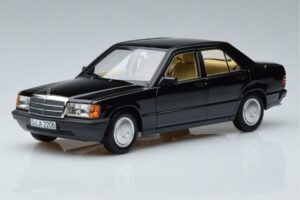
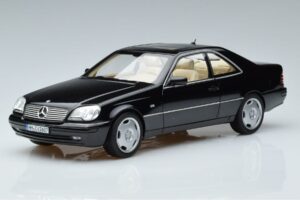
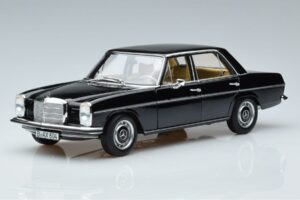
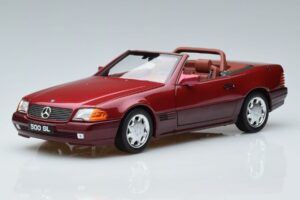
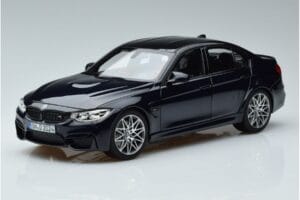
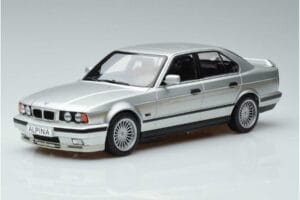
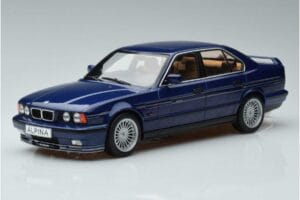
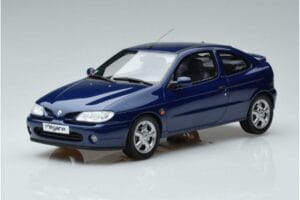
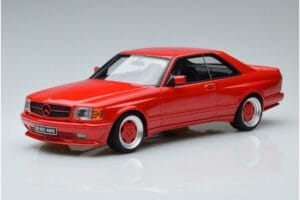
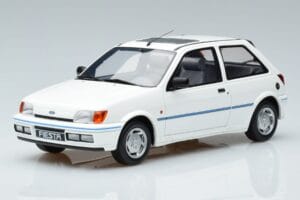
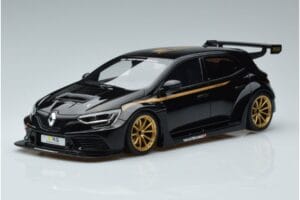
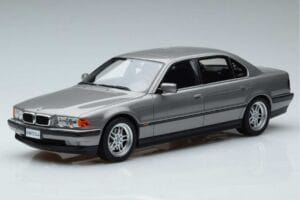
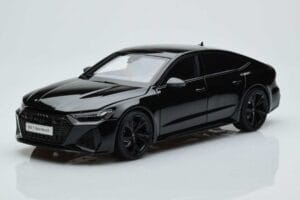
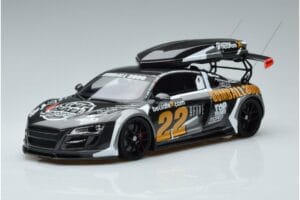
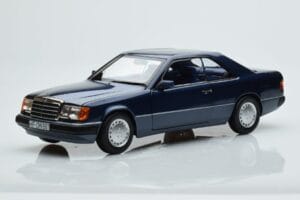
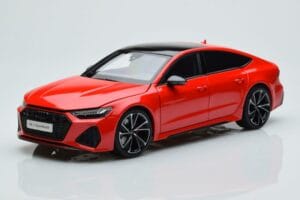
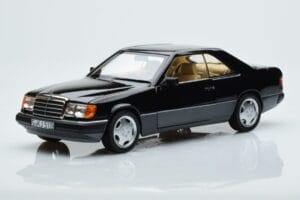
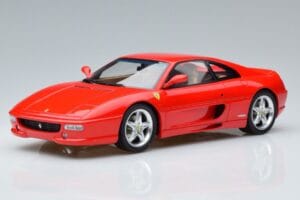
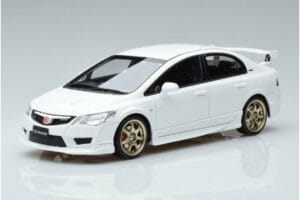
Model cars by era turn a display shelf into a time machine. Instead of collecting “random favorites,” you can follow the real arc of automotive history—pre-war elegance, postwar optimism, the muscle car boom, turbo and aero experimentation, and today’s hybrid-and-EV performance arms race. For collectors, an era-based approach is also practical: it helps you narrow choices, compare makers on similar subjects, and build a cohesive look even when you mix brands, scales, and materials. This category brings vintage scale model cars and modern replicas together under one organizing idea: the decade (or period) that shaped the real car.Era-based collecting: why it works on the shelf
When you organize by period, you’re collecting more than silhouettes—you’re collecting context. Chrome bumpers, wire wheels, and carbureted engines naturally group together; wedge-shaped 1970s design and early aero cues sit comfortably side-by-side; 1990s cars with clear headlights and factory body kits tell a completely different story than 1960s coachbuilt grand tourers. Era themes also make it easier to curate paint and livery: period-correct racing colors, sponsor styles, and even wheel finishes tend to match within a timeframe, so your display looks intentional rather than accidental.
Collectors in the US often build “decade lanes” that mirror real nostalgia: 1950s Americana, 1960s European racing legends, 1970s supercar posters, 1980s turbo icons, or 1990s Japanese performance heroes. A timeline approach also avoids the trap of chasing only the biggest names. Once you commit to a period, the supporting cast becomes part of the fun—homologation specials, one-year-only facelifts, and the underappreciated sedans and wagons that make an era feel real.Classic car diecast models vs resin: what changes by era
Classic car diecast models are often where diecast still shines: older vehicles have simpler shapes and less complex aero, so metal bodies can look terrific, and opening features can add a lot of enjoyment. A 1950s–1970s subject with opening doors and a detailed engine bay feels “right,” because the real cars themselves showcased mechanical character—carburetors, chrome air cleaners, exposed hinges, and distinctive interior trim. Premium diecast makers tend to leverage that, giving you functional panels, realistic shut lines, and a satisfying weight in-hand.
Resin, on the other hand, often dominates when the era is defined by limited-production exotics, modern supercars, or ultra-specific racing variants where accuracy and surface finish matter more than opening parts. Sealed resin models can capture razor-thin panel gaps, complex splitter shapes, and modern wheel designs without the compromises that hinges and moving panels introduce. For many collectors, the best strategy is mixed: choose opening-feature diecast for “mechanical” eras (classics and muscle), then lean resin for modern hypercars or boutique coachbuilt cars where stance and detail fidelity are the main goal.
Because this is a browsing hub, it helps to keep your expectations realistic: not every era is equally represented in every scale or material. Pre-war subjects and certain 1940s/1950s cars can be more limited, while 1960s–1990s performance cars are widely modeled. Modern supercars are plentiful, but the same model may appear in multiple trims and liveries across different makers, which is where comparing approach—diecast vs resin, sealed vs opening—really pays off.Choosing scale for a timeline collection
Scale is the hidden key to making an era display look “museum-like” instead of crowded. If your goal is breadth—covering multiple decades with representative cars—1:43 is the classic collector solution because it allows you to build a full chronology without needing a dedicated room. It’s also a sweet spot for older racing cars and classic road cars, where proportions and period details read well at smaller size.
If you want era “hero cars,” 1:18 is the go-to. At this size, the character of a decade becomes obvious from across the room: the long hoods of pre-1970 GT cars, the boxy shoulders of 1980s performance, the compact aggression of 1990s homologation specials, or the wide-track presence of modern supercars. Many collectors do both—1:43 for the timeline and 1:18 for the icons—so the shelf tells the full story but still has centerpiece models that demand attention.
1:64 can be a surprisingly powerful era format as well, especially for American collectors building large “decade walls,” dioramas, or garage scenes. You lose fine detail, but you gain the ability to show variety: multiple body styles, colorways, and racing liveries from the same period. If you’re building a decade-focused diorama—like a 1960s pit lane, a 1970s street scene, or a 1990s tuner meet—smaller scale makes the scene possible.How different eras feel—and how collectors usually curate them
Pre-war and immediate postwar cars are about craftsmanship: upright grilles, sweeping fenders, and coachbuilt elegance. Collectors who love this period often curate sparingly—one or two landmark models displayed like sculptures, sometimes paired with period racing heritage or concours themes. The 1950s and early 1960s bring optimism and style: tailfins, chrome, and the rise of international motorsport identity. These decades are ideal for pairing road cars with period racing counterparts, because the lineage between showroom and track was direct and easy to see.
The late 1960s and 1970s are where era collecting gets addictive. You can build around themes like endurance racing, early supercars, or the muscle car boom, and the variety of wheels, stripes, and bodywork changes year-to-year. The 1980s introduce turbocharging, sharper aero, and the first wave of modern “poster cars,” while the 1990s add a refined performance vocabulary—cleaner shapes, better brakes, and the rise of Japanese performance culture alongside European evolution. In the 2000s through today, collectors often narrow their scope by brand, racing series, or technology (carbon tubs, hybrid systems, active aero), because modern production creates endless special editions that can overwhelm an otherwise tidy timeline.
One practical tip: if your goal is a coherent era shelf, decide whether you’re collecting “as-delivered” road cars, motorsport liveries, or a blend. A mixed shelf can look great, but it works best when you keep a consistent logic—such as road cars on one level, race cars on another, or grouping by decade first and livery type second.Using the era hub to compare makers and find the right version
Era categories are also a smart way to shop. If you’re looking at the same decade across multiple manufacturers, you’ll quickly notice differences in philosophy: some makers prioritize opening features and durability (great for hands-on collectors), while others aim for display accuracy with sealed bodies and ultra-clean paint. Brands like AUTOart and Kyosho are often referenced by collectors when they want premium diecast execution; resin specialists such as BBR, Looksmart, and MR Collection appeal to collectors chasing the most accurate modern exotics and limited-run variants. For breadth and value—especially for nostalgia-heavy decades—many collectors mix in accessible lines from Maisto or Bburago, then “upgrade” key icons in the same era with a premium version when the right model appears.
When you browse model cars by era, look closely at the details that actually define that period: wheel design, ride height, interior color choices, and race livery correctness. A model can be technically the right car but feel wrong for the decade if the stance is off or the wheels don’t match the real trim. Era collecting rewards that kind of careful eye, and it’s one reason seasoned collectors enjoy comparing multiple versions before choosing the one that fits their shelf.Building an era-focused collection that stays fun
The best era collections stay focused without turning into homework. Start with a “spine” for your timeline—one or two representative models per decade—then fill in selectively with personal favorites: a car you saw at a show, a movie icon, a racing legend, or a garage-poster dream. If you’re value-conscious (most of us are), an era plan also helps you spend smarter: buy affordable models to build the period feel, then invest in premium replicas only for the cars that truly matter to you.
This category is designed to support that journey. Whether you’re hunting vintage scale model cars to capture the golden age of design or building a modern performance timeline from supercars to hypercars, browsing by era makes the hobby feel curated—and it makes every new addition feel like it has a place. Explore the decades, compare materials and scales, and build a display that tells the story you actually want to tell.