{"ajaxurl":"https:\/\/models118.da.smarthost.pl\/wp-admin\/admin-ajax.php?lang=en","nonce":"093af9b7d8","homeUrl":"https:\/\/models118.da.smarthost.pl\/","shopUrl":"https:\/\/models118.da.smarthost.pl\/shop\/","cartUrl":"https:\/\/models118.da.smarthost.pl\/cart\/","checkoutUrl":"https:\/\/models118.da.smarthost.pl\/checkout\/","collectionLimit":12,"i18n":{"addedToCart":"Added to cart","addToWishlist":"Add to wishlist","addedToWishlist":"Added to wishlist","removeFromWishlist":"Remove from wishlist","removedFromWishlist":"Removed from wishlist","error":"Something went wrong","loading":"Loading...","outOfStock":"Out of stock","viewCart":"View cart","proceedToCheckout":"Proceed to Checkout","addedToCollection":"Added to Collection","reserved":"Reserved!","soldOut":"Sold Out","invalidEmail":"Please enter a valid email address","connectionError":"Connection error. Please try again.","pwaTitle":"Models118","pwaDesc":"Never miss a rare model","pwaInstall":"Install App","pwaDismiss":"Dismiss"},"stats":{"models":552,"brands":31,"makers":11,"collectors":10000}}
Era Model Cars - Period-Focused Automotive Collections
More about our models
Era-organized model cars enable period-focused collecting spanning vintage pre-war classics through modern supercars. Browse automotive history by decade, discovering design evolution, racing heritage, and engineering milestones across manufacturers and scales. Build chronological displays capturing automotive's defining eras.
Everything you need to know about collecting scale model cars
How are model cars shipped?
5-layer packing: original box, bubble wrap, foam inserts, reinforced carton, FRAGILE markings. All shipments tracked and insured. Damage rate under 0.1%.
Do you offer returns?
14-day returns on unused items in original packaging. Defective or damaged in transit? Free replacement — contact us with photos within 48 hours.
Classic car models organized by automotive era provide collectors with natural frameworks for building period-focused displays that capture specific moments in automotive history. From brass-era pioneers and art deco streamliners through muscle car glory and modern hypercar technology, era-based collecting tells cohesive stories about design philosophy, engineering innovation, and cultural significance that transcend individual manufacturers. This organizational approach serves collectors who respond to the aesthetic unity of specific decades, remember particular periods with nostalgia, or want to document automotive evolution through chronological progression rather than brand loyalty.Era Organization and Period Characteristics
Automotive eras emerge from distinct design languages, engineering paradigms, and racing innovations that define specific time periods. The vintage era spanning the 1900s through 1930s captures automotive's pioneer years when manufacturers established fundamental architecture still visible today—front-engine rear-drive layouts, the shift from brass to steel construction, and racing's evolution from city-to-city endurance runs to purpose-built circuits. Models from this period showcase exposed mechanicals, upright windscreens, wire wheels, and elongated hoods housing massive displacement engines built before power-to-weight ratios dominated performance thinking. Collectors drawn to vintage eras appreciate the craftsmanship visible in every component and the direct connection between form and function before aerodynamics or safety regulations influenced shape. The pre-war and immediate post-war years from the 1930s through early 1950s witnessed streamlining influence from aviation and industrial design, producing teardrop shapes, integrated fenders, and the art deco aesthetic that makes 1930s Bugattis and Delahaye coaches instantly recognizable across a room. This era saw racing evolve from gentleman drivers in modified road cars to specialized Grand Prix machinery with supercharged engines producing extraordinary power from modest displacement, exemplified by Auto Union and Mercedes-Benz Silver Arrows that dominated 1930s European circuits.
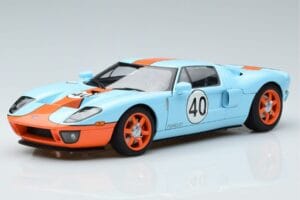
The 1950s and 1960s represent collecting's golden age, offering the highest concentration of iconic designs, racing innovations, and cultural significance. The fifties witnessed America's chrome excess and tailfin exuberance while Europe refined sports car purity through Jaguar XK series, Mercedes 300 SL gullwings, and Ferrari's competition-derived road cars. The decade established motorsport's modern structure with Formula 1's 1950 inauguration, Le Mans prototype warfare between Ferrari and Jaguar, and NASCAR's organization of American stock car racing. Collecting 1950s models captures this transition from pre-war elegance to modern performance thinking. The 1960s accelerated everything—wedge shapes replaced curves, mid-engine layouts revolutionized supercar architecture, racing technology transferred to road cars with unprecedented speed, and muscle cars democratized performance for American youth. This decade produced the most collected vehicles across all scales: Ferrari 250 GTO, Ford GT40, Lamborghini Miura, Porsche 911's debut, Shelby Cobra, Pontiac GTO, and Jaguar E-Type represent just the most obvious icons from an era where nearly every manufacturer produced design landmarks. Collectors focusing on sixties models enjoy unprecedented variety across manufacturers, scales, and price points as every diecast producer recognizes the decade's commercial appeal.
The 1970s through 1990s witnessed technology's increasing dominance over pure aesthetics, with turbocharged engines, ground-effects aerodynamics, electronic fuel injection, and computer-aided design reshaping automotive character. The seventies captured the awkward transition from sixties exuberance through emissions regulations and fuel crises that strangled performance temporarily while forcing innovation in efficiency. Racing enthusiasts appreciate the decade's wild Group 5 silhouette racers, Porsche 917's Can-Am dominance, and Formula 1's wing-equipped ground-effects revolution. The 1980s delivered turbocharged performance resurrection, Group B rally's insane 500-horsepower monsters, supercar wedges from Lamborghini Countach through Ferrari F40, and Japanese sports cars entering serious collector consideration. Collecting eighties models captures angular aggression and pop culture automotive excess that makes the decade instantly recognizable. The 1990s refined computer-aided design, producing organic shapes like Dodge Viper and Plymouth Prowler alongside technical marvels like McLaren F1 and Honda NSX that proved Japanese engineering could challenge European exotics. This era established modern supercar performance benchmarks while introducing electronics that would dominate 21st century development. Contemporary and modern eras from 2000 forward showcase hybrid technology, aerodynamic optimization through computational fluid dynamics, active suspension systems, carbon fiber monocoque construction, and performance levels that make 1980s supercars seem modest. Collectors pursuing modern replicas document automotive's current direction while speculation builds about which contemporary vehicles will achieve classic status decades hence.Manufacturer Coverage Across Eras
Era-based collecting reveals how manufacturers approach period coverage differently based on licensing agreements, tooling investment, and market demand assessment. Premium resin specialists like CMC and Amalgam concentrate on pre-war and classic eras where hand-built craftsmanship justifies premium pricing—1930s Grand Prix cars, 1950s sports car prototypes, early Ferrari competition machines that established Maranello mythology. These manufacturers invest in period accuracy for vehicles where factory documentation exists and collector knowledge demands authenticity, producing museum-grade replicas at $500 to $5,000+ that serve serious enthusiasts willing to pay for historical precision. Mid-tier producers like Minichamps and Spark balance period coverage across decades, offering 1960s Le Mans prototypes, 1970s Formula 1 cars, 1980s Group C endurance racers, and contemporary GT machinery in 1:43 scale that allows comprehensive era documentation without premium pricing. This approach serves collectors building chronological racing histories or brand evolution timelines where breadth matters more than individual showpiece quality. Mass-market manufacturers concentrate on commercially proven eras, particularly 1960s muscle cars, 1970s NASCAR, 1980s supercars, and contemporary performance vehicles where broad name recognition drives sales beyond specialist collectors into casual enthusiast territory.
American manufacturers receive strongest coverage in 1950s through 1970s decades when Detroit dominated domestic sales and muscle cars achieved cultural significance. Hot Wheels, Johnny Lightning, and Auto World produce extensive 1960s and early 1970s muscle car catalogs spanning Chevrolet Chevelle SS, Plymouth Road Runner, Dodge Charger, Ford Mustang Boss, and Pontiac GTO variations that fuel nostalgic collecting and investment speculation. European exotics enjoy consistent attention across all eras as Ferrari, Porsche, Lamborghini, and Jaguar maintain collector interest independent of specific decades. Manufacturers produce 1950s Ferrari Testa Rossas alongside 2020s SF90 Stradale hybrids because marque loyalty transcends period focus for many collectors. Japanese performance vehicles from 1970s forward receive increasing manufacturer attention as Generation X and Millennial collectors pursue Nissan Skyline GT-Rs, Toyota Supras, Mazda RX-7s, and Honda NSXs that shaped their automotive enthusiasm during youth. What seemed like econoboxes and budget sports cars to 1960s-focused Baby Boomers represent legitimate collecting territory for younger demographics whose formative automotive experiences occurred in different eras. This generational shift in collecting focus drives manufacturer decisions about period coverage, with producers recognizing that classic status moves forward chronologically as collector demographics age and new enthusiasts enter the market pursuing vehicles from their own formative decades.Collection Strategies and Period Focus
Era-focused collecting enables multiple strategic approaches depending on space availability, budget parameters, and historical interests. Comprehensive chronological collections document automotive evolution across multiple decades, using consistent scale—typically 1:43 for space efficiency—to show design language progression, engineering innovation adoption, and performance capability expansion. This approach might track sports car development from 1950s Jaguar XK120 through 1960s Porsche 911, 1970s Lamborghini Countach, 1980s Ferrari F40, 1990s McLaren F1, and contemporary hybrid hypercars, creating visual timeline of increasing performance and decreasing aesthetic simplicity. Collectors pursuing comprehensive chronology often focus on specific vehicle categories—sports cars, sedans, racing prototypes, American muscle, or luxury grand tourers—rather than attempting complete automotive coverage which would demand thousands of models and warehouse storage. Single-era deep dives concentrate collecting intensity on specific decades, pursuing comprehensive coverage of one period's vehicles across manufacturers, body styles, and market segments. A 1960s-focused collector might accumulate sports car icons, American muscle variations, European sedans, racing prototypes, and economy cars that together capture the decade's complete automotive landscape rather than just highlight vehicles.
Racing-focused era collecting documents motorsport evolution through specific competition categories and rule eras. Formula 1 collectors might pursue 1950s front-engine GP cars, 1960s rear-engine revolution, 1970s wings and ground effects, 1980s turbo era, 1990s active suspension technology, 2000s aero development, and hybrid power unit contemporary machinery, creating museum-quality motorsport timeline. Le Mans prototype collecting captures sports car racing's technical evolution from 1950s drum-braked front-engine cars through modern hybrid technology, with each decade producing distinctive shapes reflecting rule changes and aerodynamic understanding. Rally collecting documents the sport's evolution from modified road cars through Group B insanity to modern WRC specification, with 1980s representing the category's most collectible era when Audi Quattro, Lancia Delta, Peugeot 205 T16, and Metro 6R4 achieved legendary status. Display planning for era collections demands different thinking than brand-focused arrangements. Period displays benefit from environmental staging—period advertising posters, era-appropriate race photography, contemporary automotive journalism, or historical context cards that explain significance to viewers unfamiliar with specific vehicles. A 1930s display gains impact when Bugatti and Alfa Romeo models sit alongside period Grand Prix imagery showing these same cars competing on dirt circuits with hay bale barriers, while 1980s Group B rally replicas deserve accompanying photography of Audi Quattros sideways on Finnish snow stages that convey the category's spectacular nature.
Scale selection for era collecting balances detail examination needs against comprehensive coverage goals. Collectors focusing on single eras often choose 1:18 scale for major icons while using 1:43 for comprehensive breadth, creating mixed-scale displays where hero vehicles receive large-format treatment while supporting cast documents period variety. This approach works particularly well for 1960s collecting where 1:18 Ferrari 250 GTO, Ford GT40, and Lamborghini Miura anchor displays while 1:43 examples show period racing variety, sedan evolution, and manufacturer breadth. Budget considerations influence era selection as different periods command vastly different pricing for quality replicas. Pre-war and 1950s models from premium manufacturers cost significantly more than 1980s and 1990s subjects due to hand-built complexity and limited production runs, pushing budget-conscious collectors toward more contemporary eras where mass-market and mid-tier producers offer extensive selection. However, 1960s and 1970s American muscle enjoys reverse economics where mass-market producers dominate coverage and premium versions remain relatively affordable compared to exotic European subjects, allowing comprehensive muscle car era collections on modest budgets. Investment collectors focus on eras showing strongest appreciation potential, typically pursuing 1960s icons, limited production vehicles from any era, and racing subjects with competition provenance. Contemporary model purchases represent speculation that today's supercars and limited editions will achieve classic status decades hence, with early production model acquisitions potentially appreciating if predictions prove accurate. Era-based investment collecting requires understanding which periods demonstrate consistent value retention and which suffer boom-bust cycles driven by generational nostalgia rather than intrinsic historical significance.