


Used
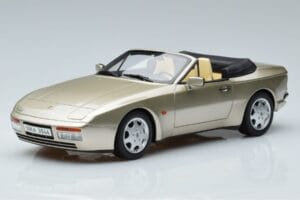
Porsche 944 S2 Cabriolet GT Spirit 1:18
Price:
$1,161.00
Used scale models provide access to discontinued releases, out-of-production rarities, and budget-friendly alternatives across all manufacturers and scales. From mint-condition retired editions to opened display pieces serving practical collecting needs, the pre-owned market offers paths to models no longer available through retail channels.



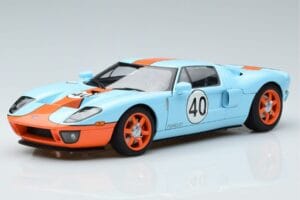
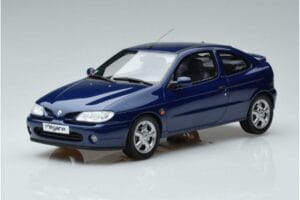
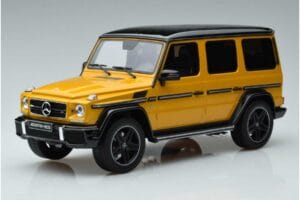


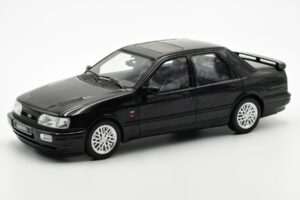
10 pre-owned collector models — inspected, graded, and shipped with care
Browse 10 pre-owned collector models — discontinued, rare, and sold-out pieces from private collections. Each model inspected and condition-graded before listing. Many with original packaging.
Every used model is photographed from multiple angles. We grade: model condition (mint, excellent, good), packaging condition (complete, partial, none), and completeness (accessories, certificates). Full details on each product page.
Discontinued models — especially limited resin editions — often appreciate significantly. Used models with original packaging in mint condition can match or exceed original retail. Key: production run size, manufacturer prestige, and car popularity.
Most used models in our collection include original packaging — stated clearly on each product page. Models without original boxes are photographed as-is and priced accordingly. We always pack securely for shipping.
Used models give access to discontinued and sold-out pieces unavailable new. Find rare color variants, limited editions from GT Spirit, OttO Mobile, and CMC, and vintage releases no longer in production. Often at reasonable prices.
Used model prices vary by rarity and condition. Common models: 50-80% of retail. Rare discontinued pieces: 100-300% of original price. Limited editions under 1,000 pieces can command significant premiums if mint.
5-layer packing: original box, bubble wrap, foam inserts, reinforced carton, FRAGILE markings. All shipments tracked and insured. Damage rate under 0.1%.
14-day returns on unused items in original packaging. Defective or damaged in transit? Free replacement — contact us with photos within 48 hours.
Used scale model cars represent a distinct collecting dimension where the secondary market provides access to discontinued manufacturer releases, retired limited editions, and out-of-production models unavailable through contemporary retail channels. The pre-owned diecast market serves multiple collector needs simultaneously - treasure hunters seeking rare models that appreciate beyond original retail pricing, budget-conscious enthusiasts building collections through cost-effective acquisition, and completists pursuing specific releases that exited production years or decades before their collecting interest developed. Understanding condition grading, value factors, and strategic acquisition timing distinguishes successful used model collecting from frustrating overpayment or disappointing condition surprises.
Discontinued releases drive the majority of used model demand, particularly for subjects manufacturers produced in limited quantities or brief production windows before retiring tooling. A collector discovering BBR's 2015 Ferrari 458 Speciale in Rosso Corsa might find the release sold through initial allocation years ago, with used market acquisition representing the only practical path to ownership beyond hoping for unlikely manufacturer reissue. Premium manufacturers like BBR, Looksmart, and MR Collection frequently produce limited editions restricted to several hundred pieces worldwide, creating immediate secondary market demand when initial allocation sells through in weeks or months. The used market becomes the permanent acquisition channel for these releases once retail inventory exhausts.
Retired manufacturer lines create similar dynamics when producers discontinue entire product categories or scale formats. Minichamps' decision to reduce 1:18 production in favor of 1:43 focus made many of their opening-feature 1:18 releases from the 1990s and 2000s collectible through scarcity rather than original quality alone.
Budget considerations motivate collectors toward used models when building comprehensive collections where acquiring every desired model at retail pricing exceeds realistic financial constraints. A collector pursuing complete 1:43 scale documentation of Ferrari road car evolution from 1960s berlinettas through modern mid-engined supercars faces retail costs potentially exceeding several thousand dollars for thirty to forty models. Used market acquisition for common releases in good condition can reduce per-model investment by thirty to fifty percent, making ambitious collection goals financially achievable that retail pricing would render impractical. This budget-driven used model collecting works best for mass-produced releases from manufacturers like Minichamps, Kyosho, and Norev where substantial used market inventory exists, providing buyer leverage through supply abundance.
Opened display models serve collectors prioritizing variety over mint condition, particularly when building thematic displays where protective packaging never gets preserved anyway. An enthusiast creating a diorama showcasing 1980s Group B rally cars might prefer acquiring opened Audi Quattro, Lancia Delta S4, and Peugeot 205 T16 models at discount rather than paying mint-in-box premiums for packaging immediately discarded. This practical approach acknowledges that many collectors never retain original boxes long-term, making used opened models functionally equivalent to new releases once packaging removal occurs regardless. The discount reflects packaging absence rather than model condition degradation, creating value opportunities for display-focused collectors unconcerned with investment retention.
Used model condition assessment requires systematic evaluation across multiple factors that collectively determine value relative to mint examples. Paint condition represents the most visible quality indicator, with collectors examining for scratches, chips, fading, and discoloration under direct lighting that reveals surface imperfections invisible in photographs. Premium resin models from BBR and Looksmart show paint damage more conspicuously than mass-market diecast due to their superior original finish quality, making condition assessment particularly critical when considering used premium purchases. Minor dust accumulation cleans easily, but actual paint scratches or chemical damage from improper cleaning products permanently degrade value.
Tampo printing integrity matters significantly for racing liveries and sponsor graphics where fading, rubbing, or chemical damage affects visual accuracy. A used Spark 1:43 Formula 1 model might show perfect paint but degraded sponsor decals from handling or display exposure, reducing collectibility for enthusiasts prioritizing livery accuracy.
Missing parts constitute immediate value reduction, particularly small components like mirrors, antennas, wiper blades, or photoetched details that separate easily during handling. Collectors should verify part completeness against manufacturer photographs before acquisition, as sourcing replacement components for out-of-production models ranges from difficult to impossible depending on manufacturer and model popularity. Opening feature functionality matters for AUTOart and similar manufacturers where doors, hoods, and trunks should operate smoothly without binding or misalignment, with broken hinges or latches significantly impacting value given repair difficulty on miniature mechanisms.
Packaging completeness affects value retention even for collectors planning to display models outside boxes, as original packaging with inserts, certificates, and protective foam maintains resale value should future disposition become necessary. Mint-in-box examples command premiums of twenty to fifty percent over identical opened models depending on rarity and manufacturer, though this premium narrows for common mass-market releases where abundant supply limits collector urgency. Display case condition matters when models include acrylic cases, with scratched or clouded cases detracting from presentation value despite model condition remaining excellent. Some collectors prefer acquiring used models without damaged original cases and sourcing aftermarket display alternatives rather than accepting compromised original presentation.
Different manufacturer tiers exhibit distinct depreciation patterns in the used market based on original production volumes, collector demand, and replacement difficulty. Premium limited-edition resin from BBR, Looksmart, and MR Collection typically appreciates rather than depreciates once initial allocation sells through, particularly for desirable Ferrari, Lamborghini, and Porsche subjects in popular liveries or colors. A BBR Ferrari 488 Pista limited to 200 pieces might retail initially at four hundred dollars, then command five hundred to seven hundred dollars in the used market within months of sell-through as collectors who missed initial allocation compete for secondary market inventory. This appreciation dynamic makes premium limited-edition acquisition during initial release windows strategic for both collecting satisfaction and value retention.
Mid-tier manufacturers like Minichamps, Kyosho, and Norev show more conventional depreciation where used examples trade at discounts to retail pricing, though discontinued releases can stabilize or appreciate if subject popularity exceeds remaining inventory availability. Common subjects in abundant supply depreciate most significantly, while unusual liveries or short production runs maintain stronger value.
Mass-market manufacturers including Bburago, Maisto, and Hot Wheels depreciate most significantly in the used market due to continuous production and retail availability making used acquisition unnecessary for most collectors. The exception involves truly vintage releases from these manufacturers' early production years, where 1980s and 1990s examples of now-classic subjects become collectible through nostalgia and production era rather than original quality, creating specialized vintage diecast collector markets separate from contemporary used model dynamics.
Motorsport models from Spark and similar specialists maintain value relatively well in the used market because their systematic championship documentation creates completist collecting pressure. A collector building complete 2015 Formula 1 season coverage needs every team's livery regardless of availability, making used market acquisition necessary when retail inventory exhausts. This sustained demand across entire season grids supports used values better than isolated model releases dependent purely on individual subject popularity.
Successful used model collecting requires different strategic thinking than retail acquisition, with timing, condition evaluation, and price research determining acquisition value. Online marketplaces including eBay, specialized collector forums, and Facebook groups concentrate used model inventory, though each platform presents different risk and pricing profiles. eBay auctions create price discovery through competitive bidding but introduce timing uncertainty and potential overpayment through auction fever, while Buy It Now listings offer immediate acquisition at fixed pricing that may or may not represent fair value depending on seller knowledge. Specialized collector forums and Facebook groups sometimes yield better pricing through direct collector-to-collector transactions eliminating retail markup, though these channels require community participation and relationship building before sellers offer premium items to unknown buyers.
Condition verification becomes paramount when photographs represent the sole assessment tool before purchase commitment. Requesting additional photographs under different lighting angles, close-ups of potential problem areas, and confirmation of part completeness reduces surprise upon delivery. Reputable sellers provide detailed condition descriptions acknowledging flaws rather than presenting optimistic assessments, with established seller ratings offering confidence that descriptions match reality. Return policies matter significantly when condition assessment from photographs proves inadequate, with platforms offering buyer protection providing recourse against misrepresented condition.
Price research through completed sales history rather than active listings reveals actual market values, distinguishing realistic pricing from aspirational asking prices that never transact. A seller listing a used Minichamps model at ninety percent of retail pricing likely overestimates value unless the release has become genuinely scarce, while examining completed sales history reveals whether similar examples actually sell at claimed valuations or require substantial discounting before finding buyers. This research distinguishes informed buyers from those who overpay through inadequate market knowledge.
Lot purchases buying multiple models simultaneously from single sellers often yield per-model discounts compared to individual acquisition, particularly when sellers prioritize complete disposition over maximizing individual model returns. A collector divesting an entire brand collection might accept below-market offers for lot purchases that provide immediate complete sale rather than enduring individual listing, photographing, and transaction processes across dozens of separate models. These opportunities require flexibility accepting some less-desired models alongside targets, though per-model cost reductions can justify including pieces ultimately destined for resale to offset acquisition costs. Strategic used market collecting combines patience waiting for favorable opportunities with decisiveness executing quickly when genuine value appears, recognizing that premium used models sell rapidly when priced fairly while overpriced examples languish indefinitely awaiting unrealistic buyer expectations.