New
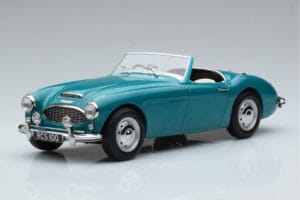
Austin-Healey 3000 Mk1 Roadster Norev 1:18
Price:
$319.00
Vehicle class organization provides an alternative collecting framework beyond brand or scale boundaries, allowing enthusiasts to build thematic collections around automotive types. From sports cars to sedans, emergency vehicles to racing prototypes, class-based browsing reveals cross-manufacturer connections and enables focused displays celebrating specific automotive categories across decades of production.










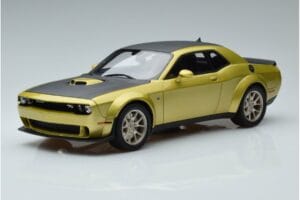





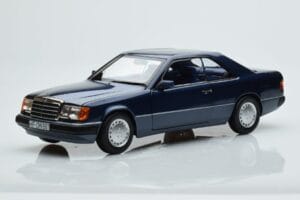

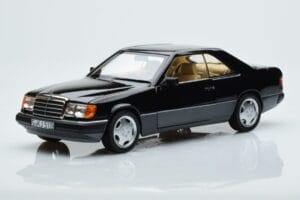
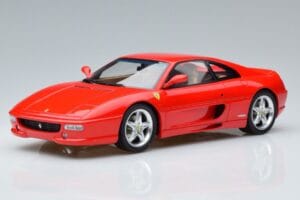







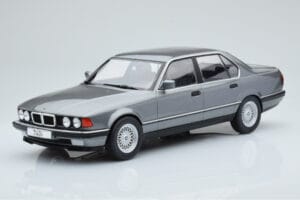

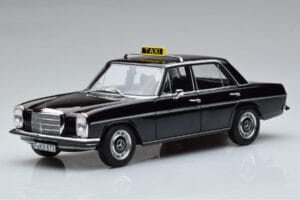
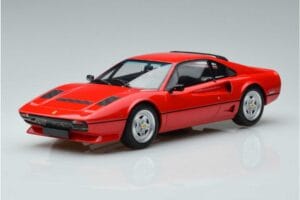
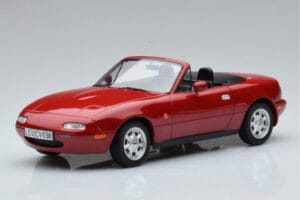

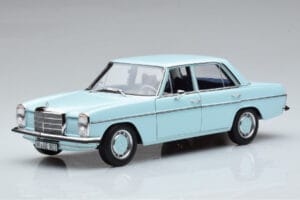

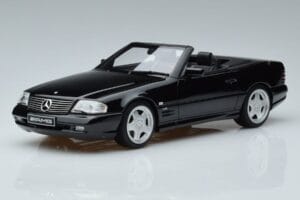
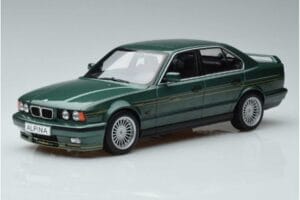
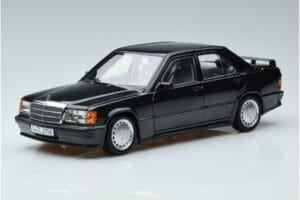
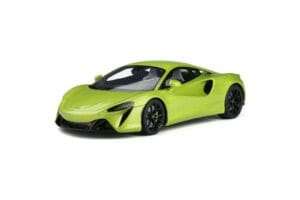

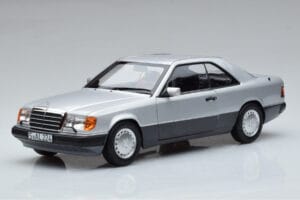
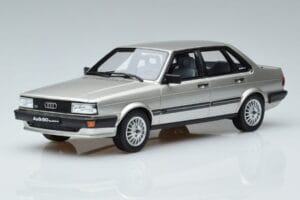

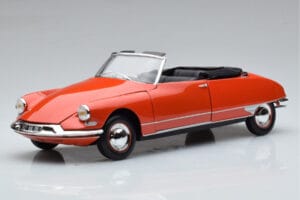
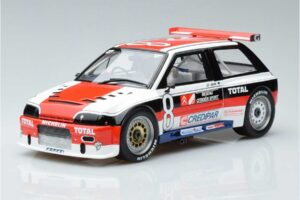
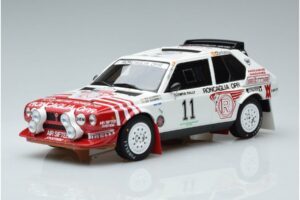
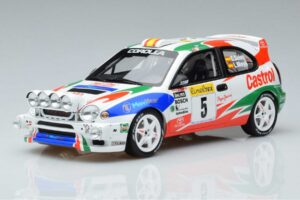
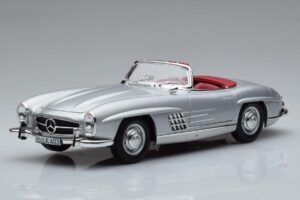


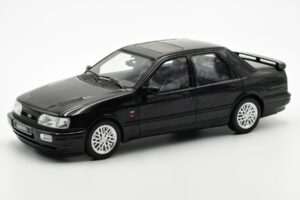
Everything you need to know about collecting scale model cars
5-layer packing: original box, bubble wrap, foam inserts, reinforced carton, FRAGILE markings. All shipments tracked and insured. Damage rate under 0.1%.
14-day returns on unused items in original packaging. Defective or damaged in transit? Free replacement — contact us with photos within 48 hours.
Vehicle class categorization offers collectors a powerful organizing principle that transcends brand loyalty and scale preferences, creating thematic collections unified by automotive purpose and design philosophy rather than manufacturer identity. Whether building a comprehensive sports car timeline spanning multiple marques, documenting the evolution of family sedans across six decades, or celebrating the specialized engineering of emergency service vehicles, class-based collecting reveals design trends, engineering philosophies, and cultural shifts that become visible only when viewing automotive history through the lens of vehicle type rather than brand heritage.
Organizing scale model collections by vehicle class serves collectors whose interest centers on automotive FUNCTION and design category rather than manufacturer allegiance. A sports car enthusiast building a chronological display from 1950s British roadsters through Italian mid-engined exotics to modern hybrid hypercars tells a story about performance philosophy evolution that a single-brand collection cannot capture. The progression from Jaguar XK120 through Ferrari 250 GT, Lamborghini Miura, Porsche 911, McLaren F1, and Ferrari LaFerrari documents how sports car engineering responded to changing technology, regulations, and performance expectations across seven decades.
Similarly, sedan collectors tracing the family car's evolution from 1960s American land yachts through European compact efficiency innovations to today's electric luxury sedans capture social history as much as automotive engineering. The class-based approach reveals parallel development across manufacturers who rarely competed directly but solved similar transportation challenges with regionally distinct philosophies.
Emergency vehicle collecting documents service heritage through police cruisers, fire engines, and ambulances that reflect the utilitarian priorities distinct from consumer automotive design. Racing prototype collections organized by class regulations like Group C, LMP1, or DPi show how competition rules shaped aerodynamic solutions and mechanical layouts regardless of whether the badge read Porsche, Toyota, or Cadillac. This cross-brand perspective makes vehicle class categorization particularly valuable for collectors interested in design evolution, engineering trends, and cultural automotive history rather than manufacturer-specific heritage.
Sports cars and supercars represent the most extensively produced class in scale model form, reflecting both collector passion and manufacturer marketing priorities. This category spans affordable roadsters like Mazda MX-5 and Porsche Boxster through exotic supercars like Lamborghini and Ferrari to limited hypercar releases like Bugatti Chiron and Koenigsegg. Manufacturers from Hot Wheels and Bburago at entry levels through Minichamps and Kyosho in mid-range to BBR and Looksmart at premium tiers provide comprehensive coverage across price points and detail expectations, making sports car class collecting accessible at multiple investment levels simultaneously.
Sedan and saloon categories document everyday automotive evolution with particular depth in European and Japanese production. German sedans from BMW 3-Series through Mercedes E-Class to Audi A6 trace performance luxury development, while Japanese sedans from Toyota Camry through Honda Accord to Nissan Skyline GT-R capture reliability engineering and sporting variants that earned cult followings. American full-size sedans from 1950s Chevrolet Bel Air through 1970s Lincoln Continental to modern Dodge Charger represent distinct design philosophies emphasizing comfort and presence over European compact efficiency.
Estate cars and station wagons form a specialized collecting niche celebrating practical design, particularly strong in European production where Volvo 240, Mercedes W123, and Audi RS6 Avant represent design excellence within the long-roof format. SUV and truck categories have expanded significantly in scale model coverage during the past two decades, reflecting these vehicles' market dominance in real-world sales. From classic Land Rover Defender and Toyota Land Cruiser through modern performance SUVs like Porsche Cayenne and Lamborghini Urus, this class documents the transformation of utility vehicles into lifestyle statements.
Racing prototypes organized by competition class enable systematic motorsport documentation: Group C endurance racers from the 1980s, LMP1 hybrid technology from the 2010s, Formula 1 single-seaters across regulations eras. Emergency service vehicles including police interceptors, fire apparatus, and ambulances represent specialized collecting focused on service heritage rather than performance metrics. Vans and commercial vehicles serve niche collectors interested in working vehicle history, from Volkswagen Type 2 through Ford Transit to modern delivery vans reflecting e-commerce transformation of urban logistics.
Scale model manufacturers demonstrate varying strengths across vehicle classes based on licensing relationships, production specialization, and target collector segments. Sports car coverage benefits from the broadest manufacturer participation: Hot Wheels and Bburago deliver mass-market accessibility for iconic shapes, Minichamps and Kyosho provide mid-tier quality across extensive sports car lineages, while premium specialists like BBR focus almost exclusively on exotic supercar subjects where hand-built resin craftsmanship justifies investment pricing.
Sedan and everyday vehicle coverage concentrates among manufacturers serving broader automotive enthusiasm: Norev specializes in French automotive production including Peugeot, Renault, and Citroen sedans underserved by other producers, Minichamps delivers comprehensive German sedan coverage from BMW 2002 through modern M-cars, IXO and its subsidiary brands provide affordable access to Japanese and European sedan history at entry-level price points. This manufacturer diversity means sedan collectors can build comprehensive timelines without committing to premium resin investments required for exotic sports cars.
Racing prototype coverage belongs primarily to Spark, whose systematic approach to motorsport documentation includes complete race grids for Le Mans, IMSA, and WEC events across decades of competition. IXO's RAM sub-brand supplements with more affordable racing coverage, while premium manufacturers like BBR and Tecnomodel produce selected racing highlights at investment-grade quality levels.
Emergency vehicle and commercial truck coverage remains more limited, with specialized producers like Code 3 and Matchbox serving niche collector bases. These categories require different licensing approaches than passenger cars, contributing to less systematic coverage but creating collecting opportunities for enthusiasts who value rarity as much as mainstream availability.
Class-based collecting strategies enable thematic coherence that brand-focused collections cannot achieve. A comprehensive sports car evolution display organized chronologically by decade rather than manufacturer reveals design trends invisible in single-brand arrangements: the 1950s shift from separate fenders to integrated bodywork, the 1960s mid-engine revolution initiated by Lamborghini Miura and refined through countless followers, the 1970s wedge profile popularized by Bertone and Giugiaro, the 1980s aerodynamic efficiency focus, the 1990s return to curves, and the 2000s hybrid technology integration. This narrative requires crossing brand boundaries that class organization facilitates naturally.
Scale strategy for class collections differs from brand-focused approaches: comprehensiveness often matters more than hero-piece detail when documenting category evolution. The 1:43 format enables collectors to display twenty or more vehicles representing complete class development within manageable shelf configurations, making systematic documentation practical where 1:18 scale would demand dedicated furniture. Many class collectors maintain 1:43 as their primary scale for breadth coverage while selecting 1:18 examples for personally significant designs that defined their categories.
Display planning for class collections benefits from chronological or regional organization rather than manufacturer grouping. A sports car display arranged by decade shows design evolution clearly, while regional arrangement comparing American muscle cars against European grand tourers against Japanese performance cars of the same era highlights distinct design philosophies solving similar performance objectives through culturally different approaches. Mixed-manufacturer displays require attention to scale consistency since varying manufacturer quality levels become more apparent when models sit adjacent without brand-based visual separation.
Acquisition strategy for class collecting emphasizes identifying coverage gaps rather than chasing limited editions within single brands. A sedan collection missing 1970s American representation or lacking Japanese examples from the 1990s performance sedan era has systematic holes that targeted acquisition resolves more effectively than accumulating multiple variants of already-represented models. This gap-filling approach makes class collecting particularly suited to collectors who value comprehensive documentation over investment-focused acquisition of premium manufacturer limited releases, though the two strategies can coexist when specific class-defining designs warrant premium treatment within broader systematic coverage at more accessible price points.