{"ajaxurl":"https:\/\/models118.da.smarthost.pl\/wp-admin\/admin-ajax.php","nonce":"1ac71b5fbc","homeUrl":"https:\/\/models118.da.smarthost.pl\/","shopUrl":"https:\/\/models118.da.smarthost.pl\/shop\/","collectionLimit":12,"i18n":{"addedToCart":"Added to cart","addedToWishlist":"Added to wishlist","removedFromWishlist":"Removed from wishlist","error":"Something went wrong","loading":"Loading...","outOfStock":"Out of stock","viewCart":"View cart","addedToCollection":"Added to Collection","reserved":"Reserved!","invalidEmail":"Please enter a valid email address","connectionError":"Connection error. Please try again."},"stats":{"models":552,"brands":31,"makers":11,"collectors":10000}}
Vintage Classic Model Cars - Pre-War to Golden Age Heritage
More about our models
Vintage classic replicas capture automotive design from pre-war coach-built elegance through 1960s golden age styling. Chrome bumpers, wire wheels, and period-correct details span American muscle, European sports cars, and luxury sedans from the 1920s through 1970s. Available across scales from Minichamps, Vitesse, Schuco, and Sunstar for period-focused collecting.
Browse 7 Vintage Classics scale models — diecast and resin from leading manufacturers
What Vintage Classics model cars do you offer?
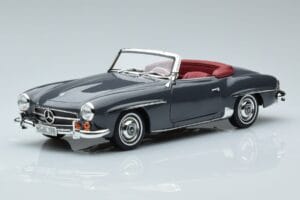
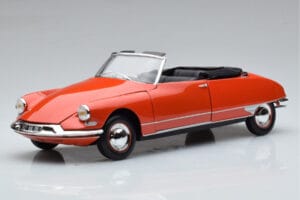
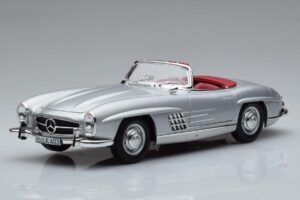
Our Vintage Classics collection features 7 diecast and resin scale models across all major scales and price ranges. Featured brands: Citroen, Mercedes. New arrivals added regularly.
Which manufacturers make Vintage Classics models?
Vintage Classics models are produced by Norev, among others. Each manufacturer brings different strengths — from budget-friendly diecast to hand-finished resin limited editions.
What scales are available for Vintage Classics model cars?
Vintage Classics models are available in 1:18. The 1:18 scale (25-28 cm) offers the most detail; 1:43 is compact and ideal for larger collections.
Are Vintage Classics diecast models collectible?
Vintage Classics models are among the most sought-after in the hobby. Limited resin editions (under 3,000 pieces) appreciate after selling out. Key factors: production run size, manufacturer reputation, and the car's status among enthusiasts.
How to choose the best Vintage Classics model car?
For Vintage Classics models, choose your scale first — 1:18 for display impact, 1:43 for variety. Then compare materials: diecast for hands-on handling, resin for sharper detail. Solido and Norev for value, AUTOart for premium with opening parts.
Are Vintage Classics model cars good gifts for car enthusiasts?
Vintage Classics diecast models make memorable gifts for car enthusiasts. Choose 1:18 scale for maximum visual impact on the shelf. Look for models with opening parts for interactive display. Norev and Solido offer gift-ready quality in branded manufacturer packaging.
How are model cars shipped?
5-layer packing: original box, bubble wrap, foam inserts, reinforced carton, FRAGILE markings. All shipments tracked and insured. Damage rate under 0.1%.
Do you offer returns?
14-day returns on unused items in original packaging. Defective or damaged in transit? Free replacement — contact us with photos within 48 hours.
Vintage diecast cars represent automotive history's most celebrated design eras, capturing the evolution from pre-war coach-built elegance through the golden age of chrome and tail fins into early modern performance. These classic car replicas serve collectors building period-focused displays that celebrate mechanical purity, design craftsmanship, and historical significance from decades before computer-aided engineering and emissions regulations transformed automotive character. From 1920s luxury sedans through 1970s muscle cars and European sports machines, vintage model cars document the design philosophy and engineering approaches that defined automotive's formative generations.Era Coverage and Design Evolution
The vintage classic category spans approximately five decades of transformative automotive design, each period contributing distinctive styling philosophy and engineering character. Pre-war classics from the 1920s and 1930s showcase coach-built craftsmanship where separate fenders, running boards, and upright grilles defined luxury transportation. Duesenberg, Packard, Rolls-Royce, and Mercedes-Benz from this era represent hand-built excellence where individual chassis received custom coachwork from Figoni, Saoutchik, and other European carrozzeria. Model replicas of these pre-war machines capture flowing fender lines, exposed spare tire mounts, and intricate chrome grille work that characterized luxury before streamlining became dominant. The immediate post-war period through early 1950s brought pontoon styling where fenders integrated into body sides, creating flowing shapes that abandoned separate running boards. Jaguar XK120, Mercedes 300SL, and early Corvette examples from this transition demonstrate how aerodynamic understanding began influencing production car design while retaining chrome trim abundance and design optimism. The mid-1950s through early 1960s represent automotive's golden age where chrome reached peak application, tail fins achieved maximum drama, and two-tone paint schemes defined American styling ambition. Chevrolet Bel Air, Ford Thunderbird, Cadillac Eldorado, and Chrysler 300 replicas from this period capture the optimism and excess that made 1950s American cars instantly recognizable across decades. European sports cars evolved differently during this golden age, with Porsche 356, Alfa Romeo Giulietta, and Austin-Healey focusing on lightweight performance and mechanical purity rather than chrome abundance. The mid-1960s through early 1970s brought muscle car dominance where American manufacturers stuffed large-displacement V8 engines into mid-size platforms, creating Chevelle SS, Plymouth Road Runner, and Dodge Charger legends that defined straight-line performance before insurance costs and emissions regulations ended the muscle era. This period also saw European GT car maturity with Ferrari Daytona, Lamborghini Miura, and Porsche 911 establishing exotic performance templates. Vintage classic collectors often specialize by era preference, with some focusing exclusively on pre-war coach-built elegance while others concentrate on 1950s chrome excess or 1960s muscle car performance, though comprehensive collections spanning multiple decades demonstrate automotive design evolution across transformative generations.Manufacturer Landscape and Period Specialization
Vintage classic model production attracts manufacturers specializing in period accuracy and historical research, creating quality tiers from accessible entry points to museum-grade investments. Minichamps leads comprehensive vintage coverage with particular strength in 1950s through 1970s European and American classics, offering both sealed and opening-feature versions across 1:18 and 1:43 scales. Their vintage portfolio spans Mercedes 300SL Gullwing, Porsche 356, Jaguar E-Type, and American muscle car icons with attention to period-correct wheel designs, trim details, and paint schemes that satisfy serious collectors without premium resin pricing. Vitesse specializes in 1950s and 1960s European classics with focus on French marques like Citroën DS, Renault Alpine, and Peugeot 404, plus British sports cars including MG, Triumph, and Austin-Healey that receive limited attention from larger manufacturers. Their sealed 1:43 format emphasizes proportional accuracy and period livery correctness for collectors building comprehensive European classic timelines. Schuco combines vintage German automotive heritage with international classic coverage, producing pre-war Mercedes and Auto Union Grand Prix racers alongside 1950s Porsche, BMW, and Volkswagen classics. Their Piccolo line offers 1:90 scale vintage cars perfect for diorama building, while standard scales serve display-focused collectors. Sunstar focuses on 1950s American classics with opening features revealing detailed interiors that capture authentic upholstery patterns, dashboard designs, and chrome trim abundance. Their 1:18 Chevrolet Bel Air, Ford Fairlane, and Plymouth Fury replicas emphasize the tail fin era's design excess with panel gaps and paint quality appropriate to mid-tier positioning. Premium manufacturers like CMC produce hand-built 1:18 pre-war classics including Mercedes SSK, Bugatti Type 35, and Auto Union Grand Prix cars at $400-800+ price points justified by hundreds of individual parts and museum-grade accuracy. These investment pieces serve collectors prioritizing absolute authenticity for significant automotive milestones. Mass-market producers like Johnny Lightning and M2 Machines offer affordable 1:64 vintage American muscle and classic hot rods that introduce younger collectors to period styling without significant investment. This manufacturer diversity allows vintage collectors to approach period automotive history from multiple angles, with budget dictating whether collections emphasize quantity through small scales and affordable brands or quality through larger formats and premium manufacturers.Building Period-Focused Collections
Vintage classic collecting rewards thematic focus rather than random acquisition, with successful collections organized around era, country of origin, design movement, or automotive milestone. Era specialization represents the most common approach, with collectors concentrating on specific decades that resonate personally or historically. Pre-war focused collections might span 1925-1941 luxury and racing machines, capturing the coach-built era before wartime production ceased and post-war streamlining emerged. Golden age specialists concentrate on 1955-1963 American chrome excess and European sports car emergence, building displays that showcase tail fin evolution, two-tone paint schemes, and the optimism preceding emissions regulations. Muscle car collections focus tightly on 1964-1974 American performance, documenting the brief period when insurance costs remained reasonable and manufacturers competed through cubic-inch displacement races. Country-focused collections organize by automotive heritage, with American classic collections emphasizing Detroit's Big Three contributions across decades while European collections showcase German precision engineering, Italian exotic performance, and British sports car tradition as parallel but distinct design philosophies. Design movement collections transcend geography to capture coach-built art deco, streamline moderne, or muscle car aesthetic regardless of manufacturer nationality. Automotive milestone collections prioritize historically significant models that influenced industry direction - the first Corvette, original Mustang, Mercedes 300SL with fuel injection, Lamborghini Miura mid-engine layout, Porsche 911 rear-engine persistence - treating replicas as historical documentation rather than simple automotive appreciation. Scale strategy affects vintage collecting differently than contemporary categories because many significant classics receive production only in 1:43 from specialist manufacturers, making comprehensive coverage impossible if collectors demand 1:18 exclusively. Successful vintage collectors often accept scale variance, using 1:18 for era-defining icons while embracing 1:43 for comprehensive marque or period coverage. Display presentation enhances vintage collections when period photography, race history documentation, or design sketches provide context. A 1957 Chevrolet Bel Air replica gains significance when displayed with original magazine advertisements showing the model's cultural positioning. A Mercedes 300SL becomes more meaningful alongside images of Stirling Moss achieving racing victories. This contextual presentation transforms vintage model collections from simple automotive replicas into historical narratives documenting design evolution and cultural significance across automotive's formative decades.