{"ajaxurl":"https:\/\/models118.da.smarthost.pl\/wp-admin\/admin-ajax.php","nonce":"1ac71b5fbc","homeUrl":"https:\/\/models118.da.smarthost.pl\/","shopUrl":"https:\/\/models118.da.smarthost.pl\/shop\/","collectionLimit":12,"i18n":{"addedToCart":"Added to cart","addedToWishlist":"Added to wishlist","removedFromWishlist":"Removed from wishlist","error":"Something went wrong","loading":"Loading...","outOfStock":"Out of stock","viewCart":"View cart","addedToCollection":"Added to Collection","reserved":"Reserved!","invalidEmail":"Please enter a valid email address","connectionError":"Connection error. Please try again."},"stats":{"models":552,"brands":31,"makers":11,"collectors":10000}}
1960s Model Cars - Golden Age of Speed, Style & Racing
More about our models
Explore 1960s diecast models and resin replicas that capture the decade of chrome bumpers, wire wheels, and big-race liveries. From American muscle and early supercars to Le Mans prototypes and F1 legends, this era is perfect for building a display that tells a complete automotive story across popular scales.
1960s Model Cars — Collector Replicas from the Era
8 models from the 1960s — diecast and resin replicas of the era's most collected cars
What 1960s model cars do you offer?
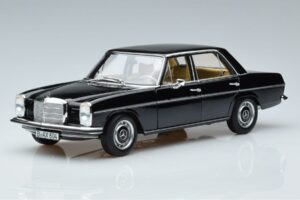
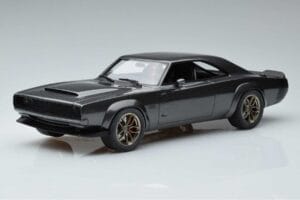
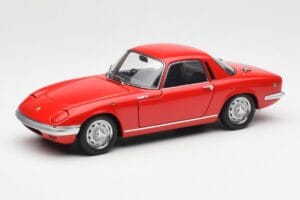
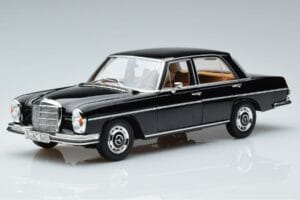
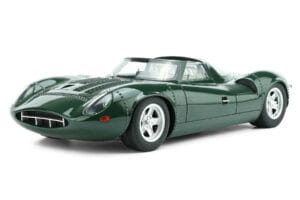
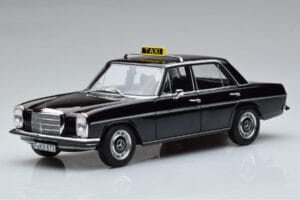
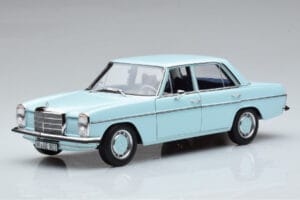
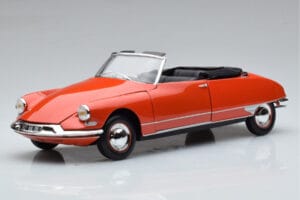
Our 1960s collection includes 8 scale replicas in diecast and resin — road cars, racing legends, and limited editions from the period. Featured marques: Citroen, Dodge, Jaguar, Lotus, Mercedes.
Which car brands define the 1960s?
The 1960s produced cars from Citroen, Dodge, Jaguar, Lotus, Mercedes — many now discontinued in model form and sought after by collectors. Browse by brand to find specific models from the period.
What are the most collectible 1960s car models?
The most sought-after 1960s replicas are limited-edition recreations of legendary road and race cars. Discontinued models in low production runs (under 1,000 pieces) appreciate fastest. Original packaging and certificates add value.
Which manufacturers produce 1960s model cars?
1960s car replicas are produced by AUTOart, GT Spirit, Norev. Diecast brands focus on accurate road cars; resin specialists recreate rare and limited variants unavailable elsewhere.
What scales are available for 1960s models?
1960s models are available in 1:18. The 1:18 scale captures period-correct details best — chrome trim, dashboard gauges, and engine bays authentic to the era.
Why do collectors love 1960s car models?
The 1960s produced some of the most iconic cars in automotive history — and model manufacturers capture that legacy in precise detail. Limited editions of legendary road and race cars from the period are highly sought after. Period-correct details make these models time capsules of automotive design.
How are model cars shipped?
5-layer packing: original box, bubble wrap, foam inserts, reinforced carton, FRAGILE markings. All shipments tracked and insured. Damage rate under 0.1%.
Do you offer returns?
14-day returns on unused items in original packaging. Defective or damaged in transit? Free replacement — contact us with photos within 48 hours.
1960s model cars capture the decade when Detroit discovered big horsepower, Europe perfected the grand touring formula, and motorsport turned into a global obsession. In miniature, the era’s shapes feel clean and intentional—thin roof pillars, bright chrome, and wheel designs that instantly date a car to the Kennedy-to-Apollo years. This category brings together 1960s diecast models and resin replicas across popular collector scales, so you can compare street machines, coachbuilt GTs, and endurance racers side by side. Whether your nostalgia is drive-ins and drag strips or the Mulsanne Straight at midnight, the 1960s are one of the most satisfying eras to build into a focused display.In practical collecting terms, the decade offers incredible variety without feeling scattered. You’ll see everything from early-’60s full-size cruisers and sports coupes to late-’60s fastbacks, pony cars, and the first true supercars. Some replicas are all about opening hoods and doors with a satisfying diecast weight; others are sealed resin pieces that prioritize perfect stance, sharp trim, and race-ready aero. If you like to collect broadly, 1:43 and 1:64 make it easy to build complete model lineups and racing grids. If you prefer “hero cars,” 1:18 gives you the presence to appreciate chrome scripts, wire wheels, and cabin details. Use the filters to narrow by scale, brand, or racing series, then let the era do the storytelling.1960s Model Cars and the Decade’s Design RevolutionThe 1960s are fun to collect because you can literally watch styling change year by year. Early in the decade, designers were dialing back the fins and excess of the 1950s, keeping brightwork but tightening proportions and lowering rooflines. By the mid-’60s, you get iconic shapes like the split-window Corvette Sting Ray and the first-generation Mustang—cars with clean surfaces and instantly recognizable silhouettes. Late-’60s models bring the “coke-bottle” fenders, hidden headlights, and aggressive fastback profiles that set the stage for the muscle-car peak of 1969. On a shelf, mixing early and late ’60s creates contrast without leaving the decade. In Europe, the same timeline moves from elegant GT curves to sharper mid-engine proportions, which makes the era feel endlessly collectible.Good replicas of 1960s cars live or die on the small period cues. Wire wheels should look delicate rather than chunky, and knock-off spinners on cars like Ferraris and Jaguars need crisp edges and correct finish. Muscle subjects are all about the stance: the right ride height, a hint of sidewall, and period-correct wheels like Torq Thrusts or Cragar S/S styles instead of modern rims. Interiors in the best 1960s scale model cars show thin steering wheels, wood-rim details, toggle switches, and simple analog gauges—details that instantly separate a collector-grade piece from something that feels generic. For chrome trim, look for clean masking and sharp scripts, because sloppy brightwork is the quickest way to break the illusion at this era.You’ll also notice that manufacturers approach the ’60s differently depending on material. Diecast is great when you want working doors, hinged hoods, and that heavy-in-the-hand feel—perfect for showroom-style road cars where you want to peek at the engine bay or the trunk. Resin models tend to shine on race cars and low-volume exotics, where the priority is razor-straight body lines, tight panel gaps, and accurate aero add-ons without the compromises of opening parts. Paint matters more in this decade than almost any other: candy colors, Wimbledon White stripes, Rosso Corsa, and classic British Racing Green all look wrong if the shade or gloss level is off. A well-finished 1960s replica should look “period,” not modern-clearcoat shiny.Road Cars of the 1960s: Muscle, GT, and Early SupercarsFor American collectors, the road-car side of the 1960s often starts in Detroit: Mustangs, Camaros, Chargers, GTOs, and Corvettes that turned weekend cruising into a horsepower arms race. Great 1:18 muscle replicas reward you with details that matter to enthusiasts—correct badging, the right hood style (cowl-induction, shaker, or flat), and engine bay pieces that resemble real big-block hardware instead of a generic blob. The best part of collecting this slice of the decade is how many stories you can tell: dealership-fresh showroom cars, street machines on mag wheels, or drag-strip bruisers with skinny front tires and a raked stance. Even a single model can anchor a whole display if you pair it with era accessories and period photos.Within the decade, the differences are surprisingly clear once you start lining cars up. Early-’60s performance is often about lightweight sports cars and first-wave pony cars, while the late ’60s brings the “big cube” era and bolder graphics—Bumblebee stripes, hockey sticks, and high-contrast interiors. Collectors who like accuracy will pay attention to wheel and tire combos, because a 1967 street car on modern low-profile rubber just doesn’t read right. If you’re into movie and TV nostalgia, the 1960s also overlap with famous chase scenes and police packages, which makes the era a natural fit for dioramas and “garage find” display themes. Convertible tops, vinyl roofs, and two-tone paint are details that look simple, but they’re hard to get right at scale.The 1960s are just as rich on the European side, where the decade delivers some of the most collected road cars ever made. Ferrari’s 250-series and 275 GTB shapes, the Jaguar E-Type’s long-hood drama, Aston Martin’s DB4/DB5 elegance, and Porsche’s first 911s all translate beautifully into scale because the lines are so pure. Late in the decade, Lamborghini’s Miura flips the script with mid-engine proportions that still look futuristic today. When you’re browsing this category, it’s worth comparing how different makers handle delicate trim, headlight covers, and wire wheels, because those areas separate “good from across the room” from “great up close.” Don’t sleep on the luxury side either—cars like the Mercedes-Benz 600 and Alfa Romeo Giulia bring real-world ‘daily driver’ context to an all-exotics shelf.A fun way to collect the decade is to build a “1960s parking lot” rather than a greatest-hits list. Mixing a Japanese icon like the Toyota 2000GT with an American pony car and a European GT instantly shows how different markets were chasing performance and style. Because many 1960s cars are physically smaller than modern vehicles, 1:18 collections can feel surprisingly manageable—four or five cars can tell a complete story without dominating a room. If you’re collecting in 1:43, you can go deeper and chase variations: different years, different wheels, and subtle facelift changes that most people miss until they see them side by side. Try pairing coupes and convertibles, or keep a tight color palette, and the whole shelf suddenly looks intentional.1960s Race Car Models: Le Mans, F1, and American SeriesOn the racing side, 1960s race car models let you relive the era when endurance racing went mainstream: Ford vs Ferrari, screaming V12s and big American V8s, and iconic liveries that still sell posters today. A 1966–1969 GT40 looks completely different from a Ferrari 330 P3/P4 or a Porsche 908, and seeing those shapes together explains why the decade is so legendary. When you’re comparing replicas, pay attention to stance and wheel fitment (race cars sit low and purposeful), plus small stuff like headlight covers, fuel fillers, and the way the numbers and roundels are printed or decaled. Some collectors prefer a clean, just-scrutineered look, while others love light weathering that hints at 24-hour grit.American road racing in the ’60s is its own rabbit hole, especially once you get into Can-Am and the wild sports racers that followed. The cars were basically unlimited: big displacement, lightweight bodies, and aero experiments that look outrageous in miniature—high-mounted wings, open intakes, and bodywork that barely covers the tires. Models of Chaparrals, McLarens, and Lolas make an awesome contrast next to more traditional European endurance cars, because you can see two completely different philosophies of speed on one shelf. If you’re building a racing-focused display, mixing series is half the fun: it creates the “what if” conversations collectors love. Look for clean tampo work on sponsor logos and accurate roll-cage or cockpit detailing, since open cars show everything.Formula 1 models from the 1960s have a different appeal: they’re simple, delicate, and brutally mechanical. This is the era of slim cigar-shaped bodies, exposed suspensions, and drivers sitting almost on the rear axle, with the engineering story visible from every angle. Think Lotus moving from the groundbreaking 25 monocoque to the 49 with the Cosworth DFV, or Ferrari’s V12 cars wearing national racing colors before big sponsor branding took over. In scale, the quality difference often shows in the wheels and tires, the thickness of suspension arms, and how convincingly the cockpit is finished. A good F1 replica should look fragile in the best way. Even small touches like the correct driver helmet shape and period number fonts add a ton of authenticity.The ’60s aren’t just about Europe’s big stages. Trans-Am gave us factory-backed pony cars with wide stripes and road-race attitude, NASCAR was still full of true “stock” shapes before aero took over, and drag racing exploded into a culture of its own with gassers and early Funny Cars. Those subjects bring a very American flavor to a 1960s collection, and they look great in both large display scales and in 1:64 where you can build a whole pit lane. If rally is your thing, classics like the Mini Cooper S and early 911 rally cars add the dirt-and-snow counterpart to all the polished chrome. Mixing disciplines keeps the decade from feeling one-note.Choosing Scale and Maker for a 1960s CollectionScale choice changes how the 1960s reads on your shelf. In 1:18, a single car has enough presence to show off scripts, emblems, and interior textures, and the slightly smaller real-world size of many ’60s cars means you can display more than you might expect. In 1:43, the decade becomes a storytelling tool: you can build complete Le Mans podiums, assemble a timeline of Mustang generations, or collect multiple liveries of the same race winner without needing a dedicated room. And in 1:64, the 1960s turns into a diorama playground—gas stations, drive-ins, pit boxes, and street scenes that feel instantly believable. Plenty of collectors mix scales on purpose: 1:18 for hero cars, 1:43 for breadth, and 1:64 for scene-building.Material and maker matter just as much as scale. Entry and mid-tier diecast brands can be ideal for muscle cars and street subjects where opening parts and value-per-model are part of the appeal, while boutique resin specialists often focus on the rare GT variants and exact race-spec configurations that completists chase. In the 1960s space you’ll commonly see names like AUTOart and Kyosho on higher-detail diecast, Spark and Minichamps on race-oriented releases (especially in 1:43), and premium builders like CMC, BBR, or Tecnomodel when collectors want wire-wheel realism and museum-style finishing. None of those approaches is “best” for everyone—the right choice depends on whether you’re collecting for play-with-the-details enjoyment or pure display accuracy.When you’re shopping the era, a quick “realism check” helps you avoid regrets. Look at the car’s stance first: a 1960s GT should sit planted, not nose-high, and muscle cars shouldn’t look like they’re on stilts. Next, inspect the brightwork and badging—chrome trim lines, side spears, and scripts are where paint bleed or soft molding shows up fastest. On race cars, print quality is everything: crisp number roundels, readable sponsor marks, and correctly placed stripes can make the difference between a replica that feels authentic and one that looks like a toy. Finally, check wheels and tires, because nothing dates the ’60s like the right rubber. In larger scales, cabin details like wood-rim steering wheels and stitched seats are worth a close look too.Once you start collecting, the 1960s reward a little curation. Pick a lane—American muscle, European GT, Le Mans legends, or a cross-section of everything—and build around it with consistent scale or a deliberate mix. Acrylic cases and gentle lighting go a long way with this era, since chrome and bright paint pop when they’re kept dust-free. Most importantly, let the decade’s variety work for you: add one “everyday” sedan, one outrageous race car, and one dream-garage coupe, and you’ve got a display that feels like a real time capsule. Browse the 1960s category to compare options and start shaping your own golden-age lineup. If you collect by decade, the 1960s also pair perfectly with neighboring 1950s and 1970s shelves for a seamless timeline.